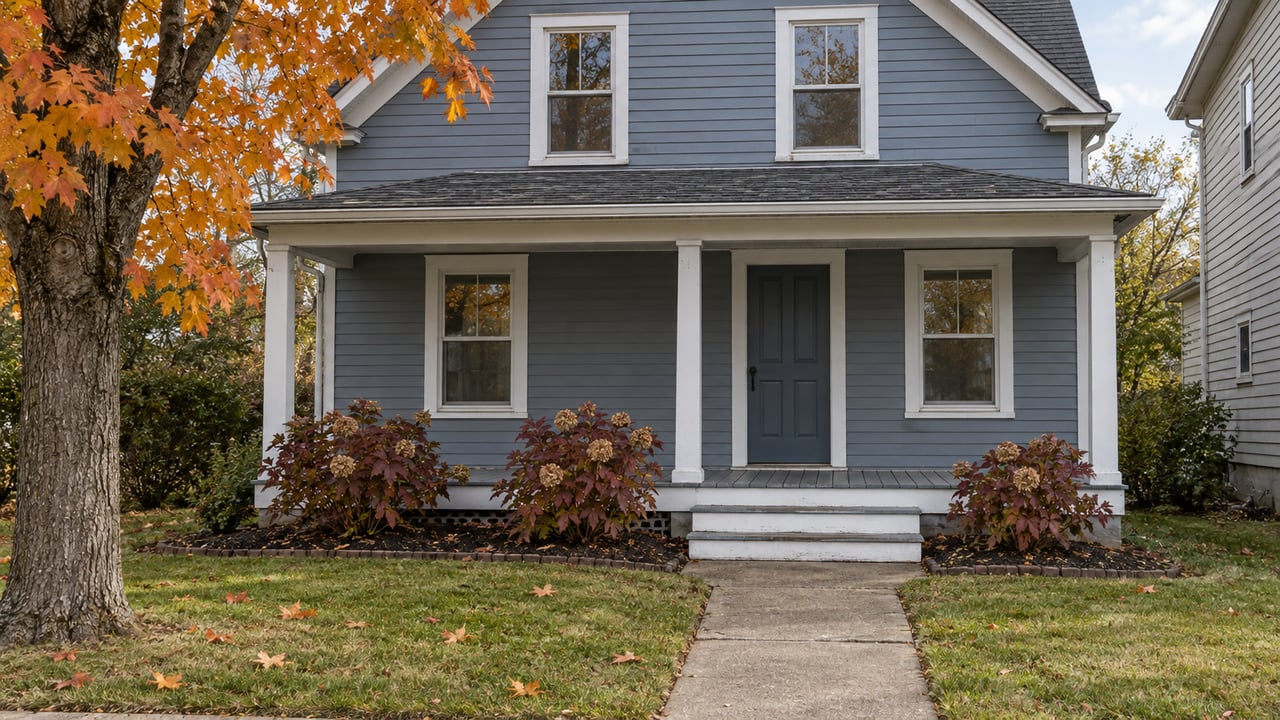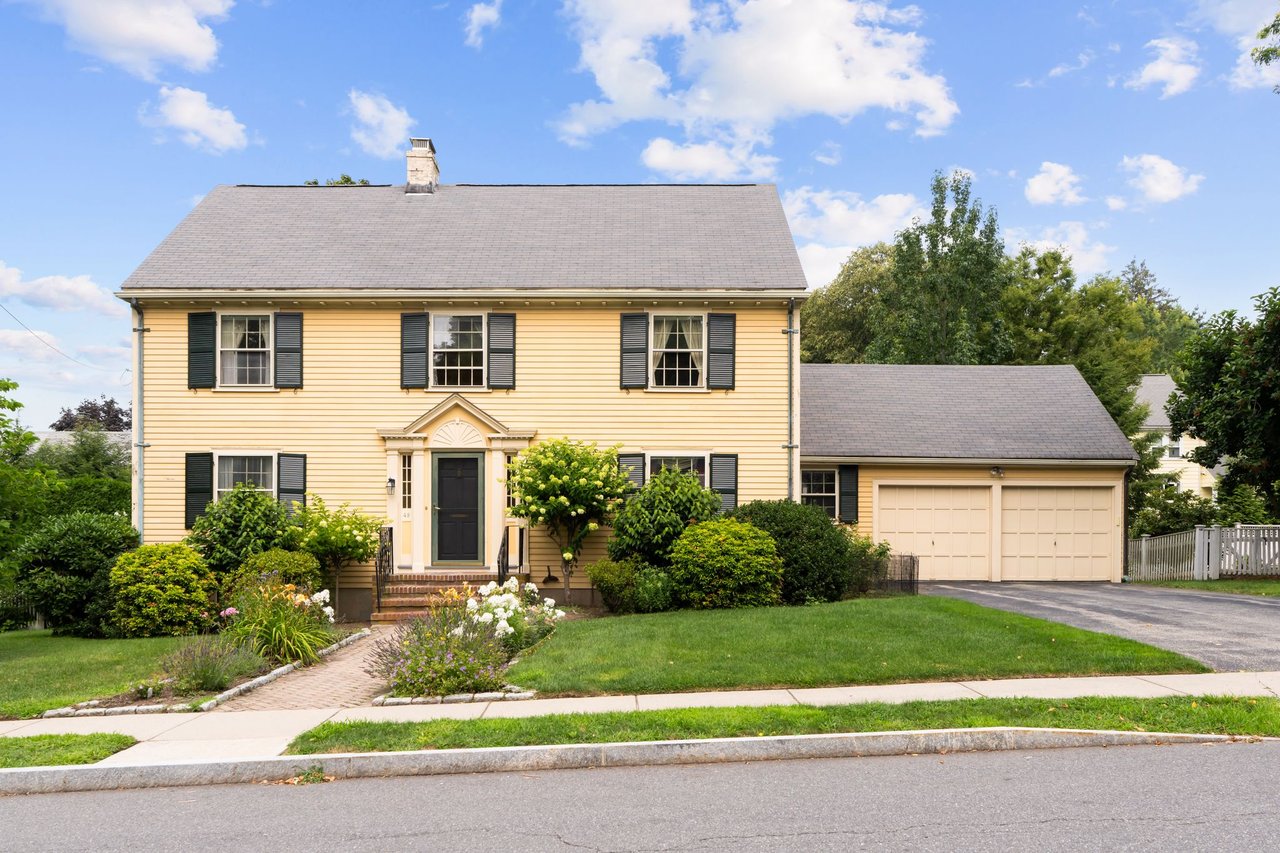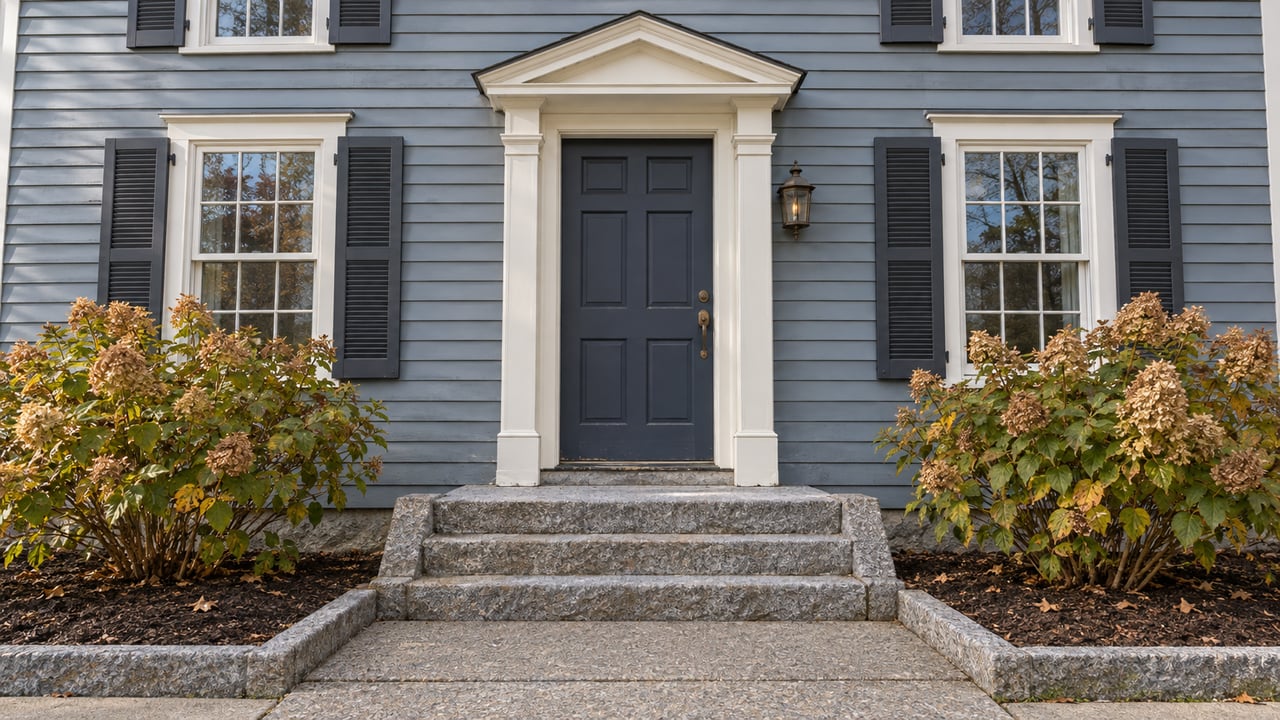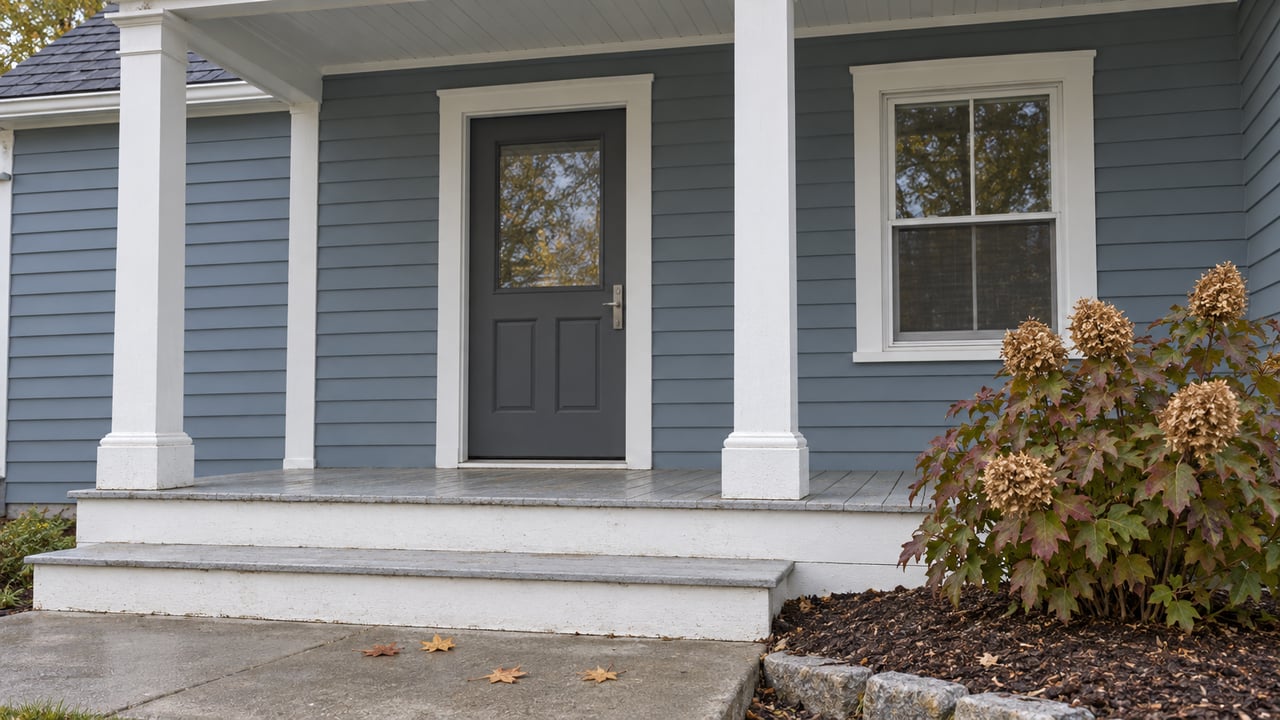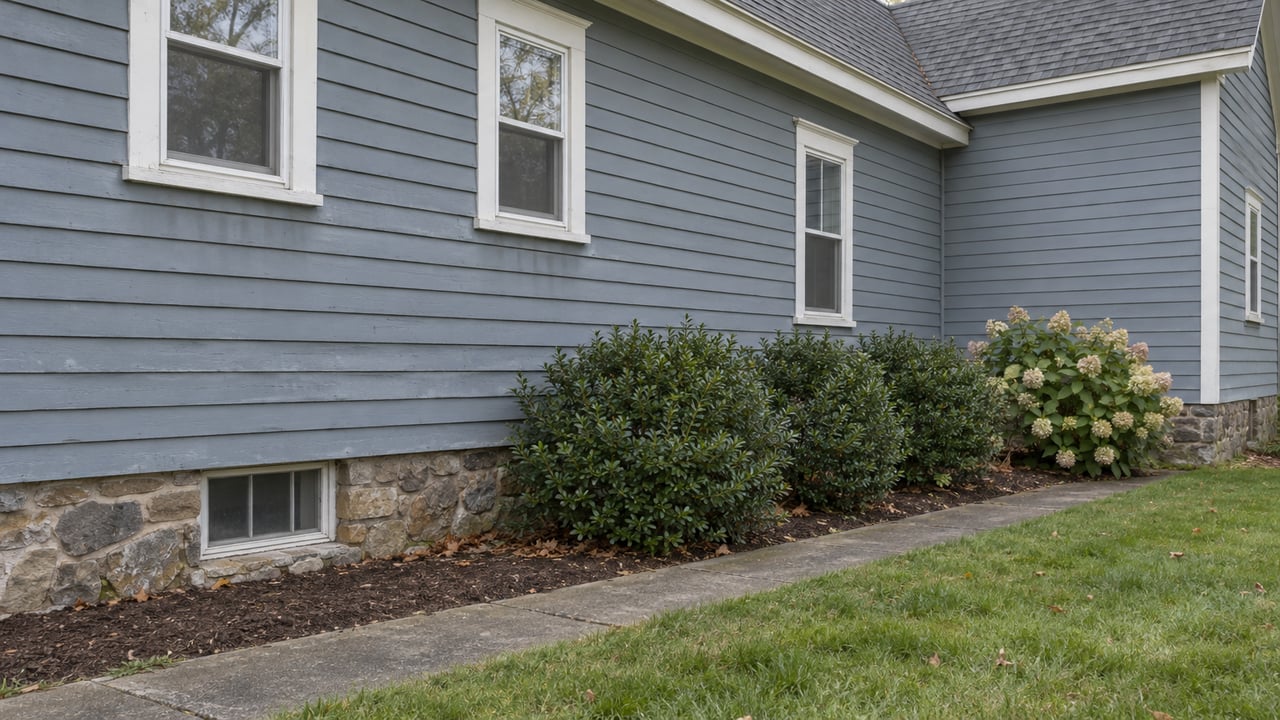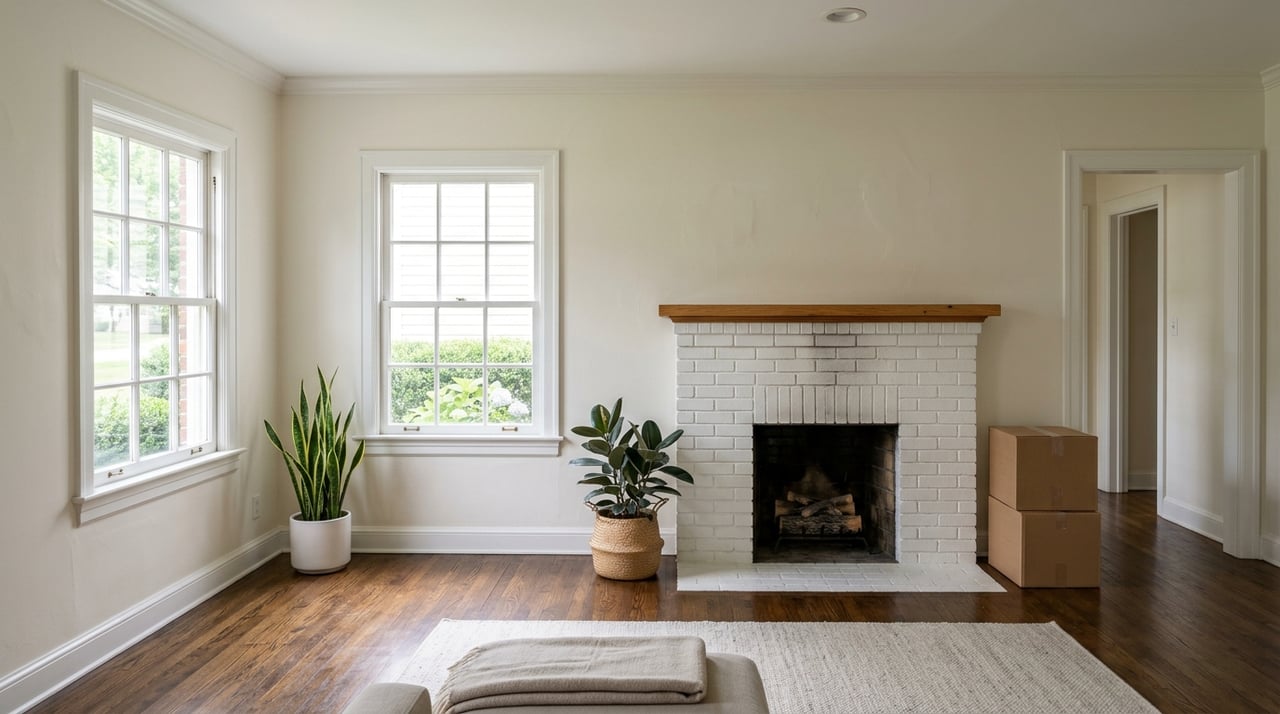
Wondering if selling your older Belmont home means taking on a huge renovation project first? In most cases, it does not. If you own a home in a town where nearly 60% of homes were built before 1940, you are in very good company, and buyers already expect a certain level of age and character. What matters most is knowing which issues to address, which records to gather, and how to price your home around its real condition. Let’s dive in.
Belmont’s older homes are the norm
Older housing is a defining part of Belmont’s market, not an exception to it. According to Belmont’s 2023 Housing Production Plan, nearly 60% of homes in town were built before 1940, and only a little over 6% were built since 2000.
That matters when you sell because buyers in Belmont are not shocked by older systems, original details, or homes with a long ownership history. They are often paying for the location, housing stock, and convenience of Belmont. Still, in a market with premium pricing, buyers usually expect an older home to look cared for and to come with clear documentation.
What buyers often expect from an older home
In Belmont, an older home does not have to be perfect to sell well. But buyers do tend to notice visible maintenance issues quickly, especially when prices are high.
Recent market snapshots point to a competitive environment. Redfin reported a median sale price of $1.4 million in March 2026, Zillow estimated an average home value of about $1.48 million, and homes were going pending in around 7 days. In that kind of market, condition and pricing work together.
If your home shows well, feels maintained, and is priced with its current condition in mind, you are usually in a stronger position. If it is priced as though every major issue has already been solved, buyers may become more critical during showings and inspections.
Focus first on inspection concerns
Before you spend money on updates, start with the items most likely to raise red flags during a buyer’s inspection. In Massachusetts, buyers must receive a written disclosure affirming their right to a home inspection before or at the first purchase contract, and sellers and agents cannot condition the sale on waiving or limiting that right.
Because inspections are part of the process, it often makes sense to deal with visible problems before your home hits the market. For older Belmont homes, that often means prioritizing:
- roof or plumbing leaks
- peeling paint
- obvious wood rot
- drainage issues
- clearly failing HVAC or boiler components
- loose railings or safety concerns
- broken fixtures
- signs of deferred maintenance that buyers can easily see
These are the kinds of issues that can shift negotiations fast. Even if a buyer still wants the home, unresolved visible defects can lead to repair requests, credits, or price pressure.
Cosmetic updates still matter
You probably do not need a full pre-sale renovation. In many Belmont older-home sales, modest improvements do more for the sale than a major remodel.
Simple, practical updates often give the best return on effort:
- fresh paint
- improved lighting
- repaired hardware
- landscaping cleanup
- decluttering
- professional deep cleaning
Buyers in Belmont often respond well to homes that feel clean, functional, and cared for. A polished presentation can help them focus on the home’s layout, character, and potential rather than getting distracted by small maintenance or cosmetic distractions.
A pre-list inspection can give you leverage
For many older homes, a pre-list inspection is worth considering. It gives you a chance to see your home through the same lens a buyer is likely to use later.
That can help you make better decisions before listing. You may choose to repair certain issues, disclose others clearly, or price the home to reflect what the inspection is likely to uncover.
This is especially useful in an older Belmont home where age-related concerns may show up in multiple systems at once. Instead of reacting under pressure once you are under agreement, you can plan your approach in advance.
Gather records before you list
Good documentation can make an older-home sale smoother. Buyers often feel more confident when you can answer questions quickly and back up what you know with paperwork.
Try to gather records such as:
- permit history
- ages of appliances and major systems
- service and maintenance receipts
- lead-related paperwork
- records tied to renovations
- any historic-district approvals, if applicable
These records do not replace disclosure obligations, but they can reduce uncertainty and help keep negotiations focused. For older homes especially, organized information can make your property feel better maintained and easier to evaluate.
Lead paint rules matter in pre-1978 homes
If your Belmont home was built before 1978, lead paint should be addressed early in the process. Massachusetts and federal law require the Property Transfer Lead Paint Notification before a purchase and sale agreement, and sellers and agents must notify buyers of lead risks for pre-1978 homes.
If a child under 6 will live in the home after transfer, the new owner must have the property deleaded or brought under interim control within 90 days of taking title. This does not mean every pre-1978 home needs to be fully deleaded before sale, but it does mean lead-related paperwork and accurate notice are important parts of the transaction.
Be honest about known issues
Massachusetts does not generally require most owner-occupant sellers to complete a broad defect-disclosure form. But the seller’s agent must disclose known material defects.
For an older home, the safest approach is simple: be honest and organized. If you know about a recurring leak, an aging system, a structural concern, or unfinished permit matter, talk through it early and decide how it should be handled in your listing strategy.
Trying to gloss over known problems rarely works in an older house. Buyers, inspectors, and attorneys tend to uncover them later, often at the worst possible moment.
Check for historic or demolition rules
Some Belmont properties are subject to local historic-district review or the town’s demolition-delay bylaw. That can matter if you are planning exterior work before listing, or if a future buyer may ask about expansion, major changes, or teardown potential.
In a local historic district, exterior alterations and demolition can require approval. Separately, the demolition-delay process can pause demolition permits for buildings on the town’s significant-building list.
This does not apply to every property, but it is worth checking early. If your home falls under one of these local rules, knowing that upfront can help avoid surprises.
Price based on condition, not assessment
One of the most common pricing mistakes is treating the tax assessment like a market value target. Belmont’s Assessor states that the town reassesses property each year using market-based methods aimed at fair cash value, but an assessment is not the same thing as a likely sale price.
Your list price should reflect recent comparable sales, your home’s presentation, and its actual condition. It should also reflect whether key issues have been repaired, left for buyer review, or built into the asking price.
In a market where homes can move quickly, overpricing can backfire. If the price is too aggressive for the condition, buyers may focus more on the home’s flaws than its strengths.
Decide what to repair, credit, or price in
This is often the most important strategy question when selling an older home in Belmont. Not every issue should be fixed, but every issue should be accounted for.
A practical way to think about it is:
- Repair it if the issue is visible, likely to alarm buyers, or likely to come up in inspection quickly.
- Offer a credit if the problem is real but the buyer may prefer choosing the fix themselves.
- Price it in if the home is being sold with known updates needed and the target buyer is likely to accept that tradeoff.
The right answer depends on your timeline, budget, and the home itself. But making that decision intentionally is much better than letting the market decide for you after buyers start pointing things out.
Older homes can still sell strongly in Belmont
Selling an older home in Belmont is usually less about turning it into something brand new and more about presenting it clearly and pricing it wisely. Buyers already understand that much of Belmont’s housing stock is older. What helps your home stand out is a sense of care, a realistic strategy, and fewer unanswered questions.
That is where local guidance can make a real difference. When you know how Belmont buyers tend to evaluate older homes, you can focus your time and money where it counts most.
If you are thinking about selling and want practical advice on pricing, prep, and marketing for your specific property, The Toland Team can help you map out the right next steps.
FAQs
Do I need to fully renovate an older home before selling in Belmont?
- Usually not. In many Belmont sales, buyers respond well to homes that are clean, maintained, and priced appropriately, even if they are not fully renovated.
Is a pre-list inspection worth it for an older Belmont home?
- Often yes. A pre-list inspection can help you identify issues before a buyer does, giving you more control over repairs, disclosure, and pricing.
What lead paint rules apply when selling an older Belmont house?
- If the home was built before 1978, sellers must provide the required Property Transfer Lead Paint Notification before a purchase and sale agreement and notify buyers of lead risks.
Can a buyer waive a home inspection when buying a home in Massachusetts?
- Massachusetts requires a written disclosure affirming the buyer’s right to a home inspection before or at the first purchase contract, and sellers and agents cannot condition the sale on waiving or limiting that right.
Should I use my Belmont tax assessment to set my list price?
- No. Belmont assessments are used for tax purposes and are not the same as a likely sale price. Pricing should be based on comparable sales and your home’s actual condition.
Do older Belmont homes ever face local historic or demolition review?
- Yes, some do. Certain properties may be subject to local historic-district review or the town’s demolition-delay bylaw, so it is smart to check before starting exterior work or marketing redevelopment potential.