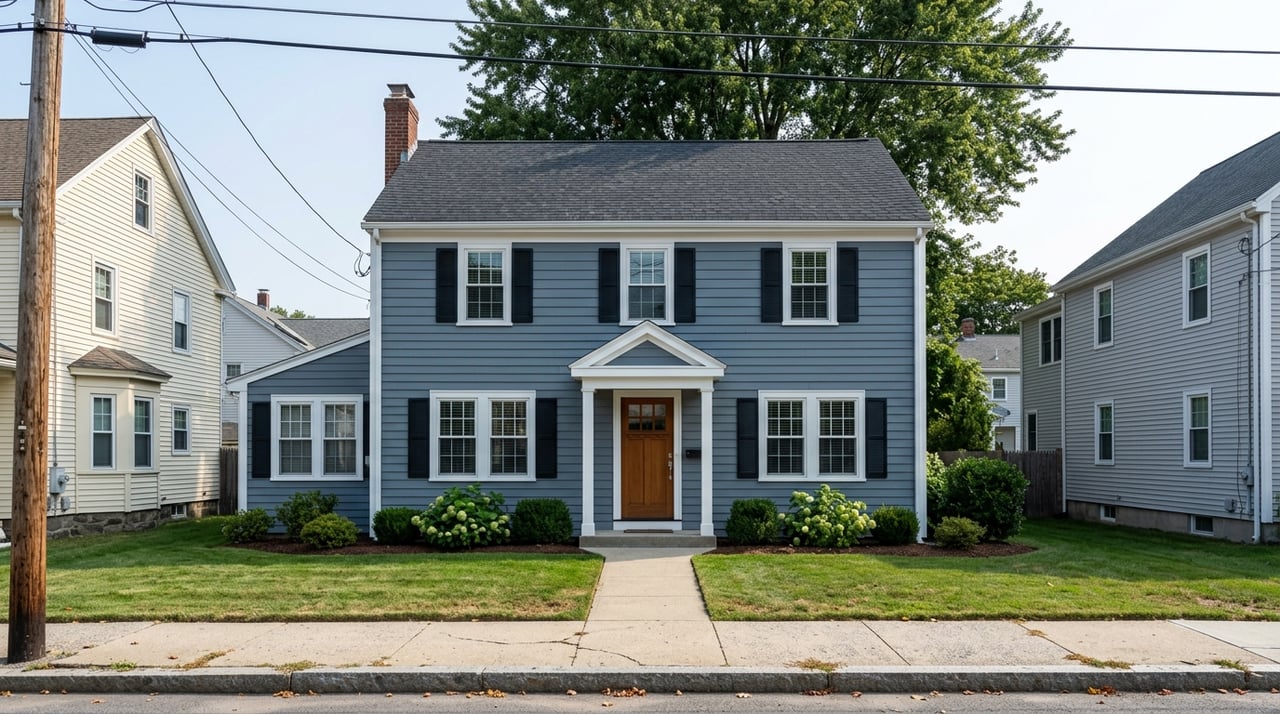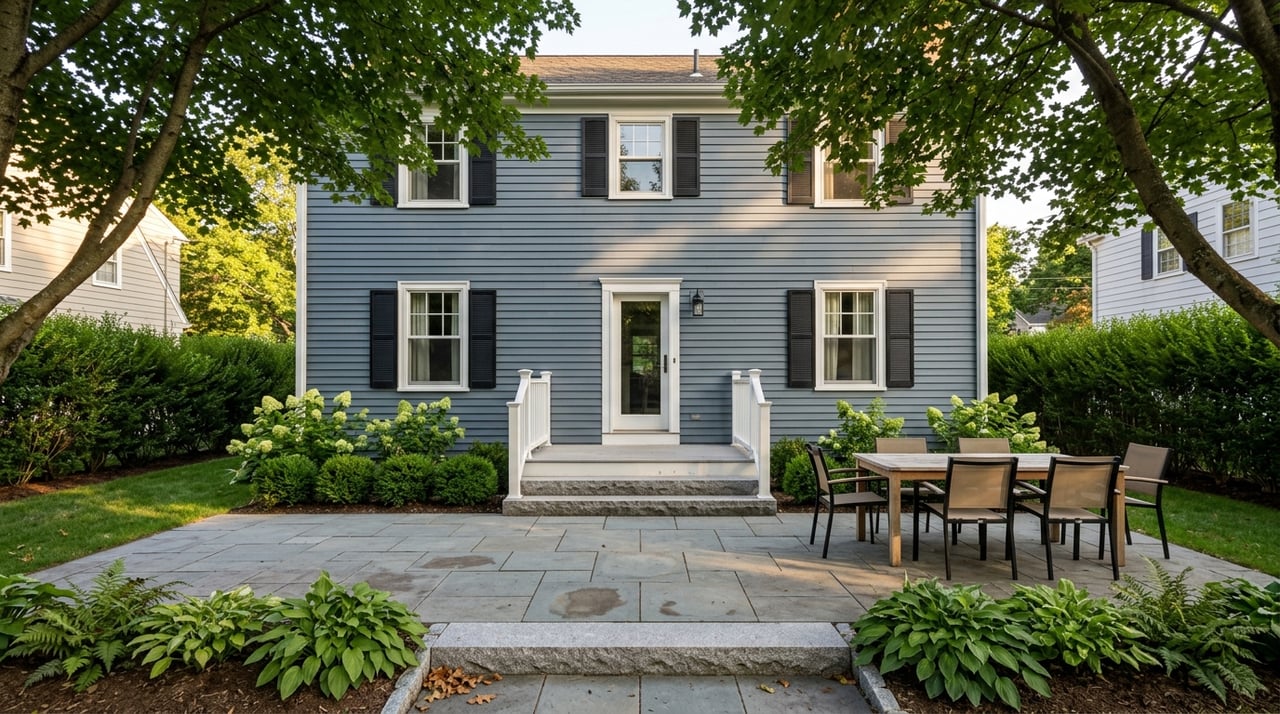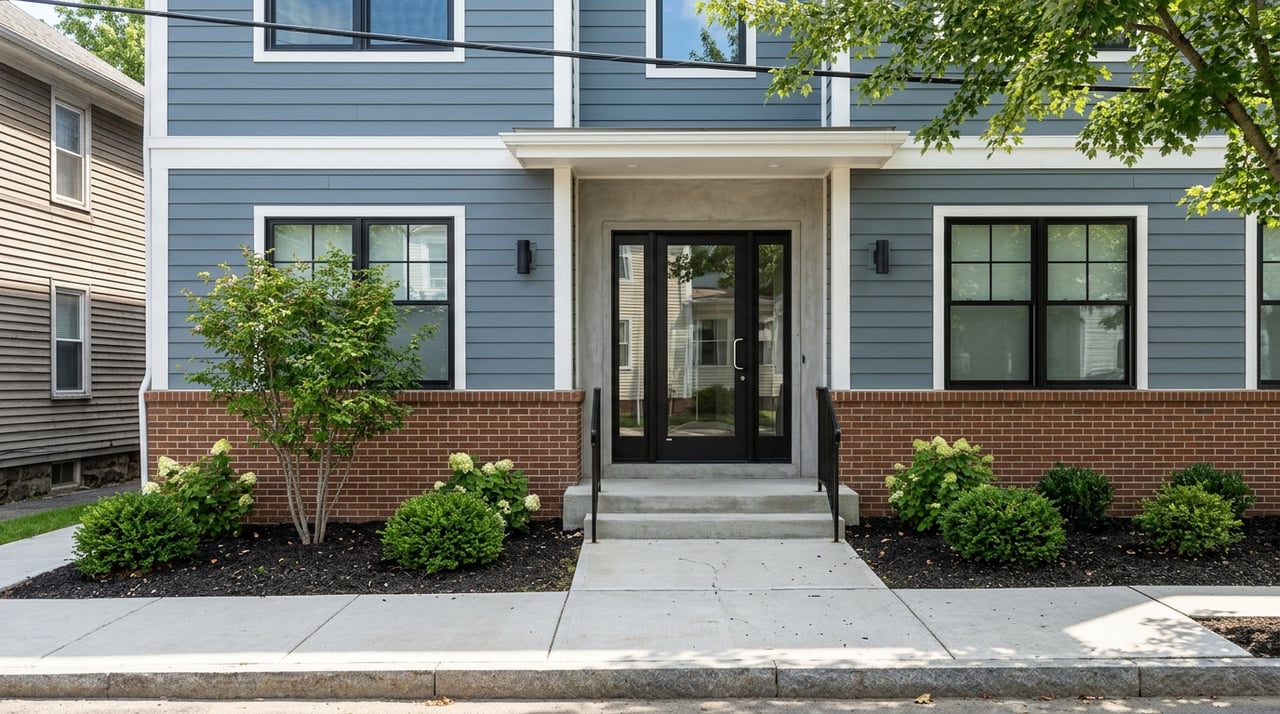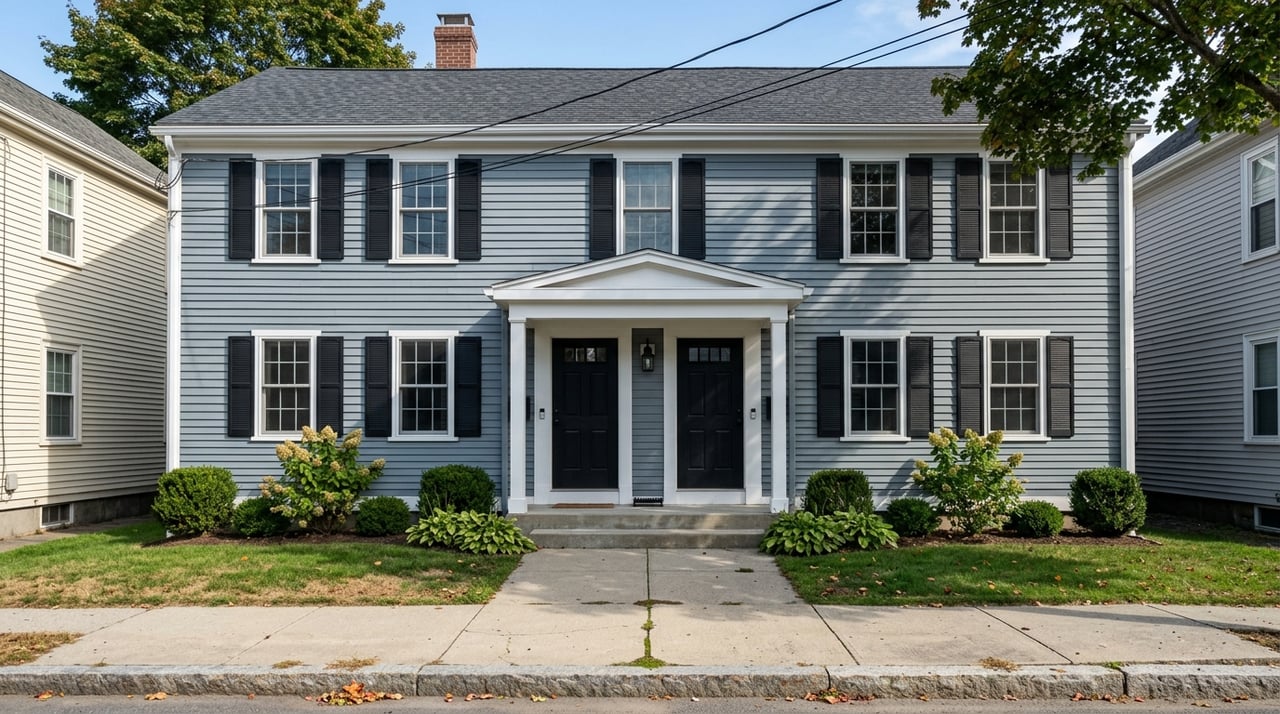
Thinking about buying a Cambridge multi-family and living in one unit yourself? It can be a smart way to enter a high-demand market, but it is also a very different decision than buying a condo or single-family home. If you are weighing the numbers, the lifestyle, and the landlord responsibilities, this guide will help you understand what to expect in Cambridge and how to evaluate whether this path fits your goals. Let’s dive in.
Why Cambridge multi-family attracts buyers
Cambridge is a dense, renter-heavy city, which shapes why owner-occupied multi-family homes get so much attention. City data estimates about 66.5% of occupied units are renter-occupied, while 33.5% are owner-occupied. That means rental housing is a major part of the local market, not a side category.
The housing mix also makes small multi-family properties a meaningful part of the city’s inventory. As of June 30, 2025, 2-unit buildings made up 11.9% of dwelling units and 3-unit buildings made up 10.5%. In other words, buying a two-family or three-family in Cambridge is a real and established ownership path, even if it comes with a higher price tag and more moving parts.
Comparing condos and multi-family prices
One of the biggest realities to understand is the price jump from a condo to a small multi-family. Cambridge reported 2024 median sale prices of $870,000 for a condominium, $1,542,500 for a two-family, and $1,822,500 for a three-family. That gap is large enough that your decision is usually about more than just getting extra space.
For many buyers, an owner-occupied multi-family is a home plus income property decision. You are not just choosing where to live. You are also choosing a building type, a financing structure, and a day-to-day role that may include tenant communication, maintenance planning, and long-term property oversight.
How rental income can help you qualify
For some owner-occupied 2- to 4-unit purchases, rental income from the units you will not occupy may be used toward qualifying income under certain conventional loan programs. Freddie Mac states that rental income from units not occupied by the borrower in a subject 2- to 4-unit primary residence may be eligible. That can make a major difference when you are trying to bridge the gap between Cambridge condo pricing and multi-family pricing.
That said, this is not automatic income in the eyes of a lender. The rental income generally needs to be stable, verifiable, and documented with leases or market rent data. If you are planning to rely on future rent to help make the purchase work, it is worth getting very clear on lender requirements early in the process.
What Cambridge rents suggest
Cambridge’s 2025 third-quarter median asking rents give useful context for planning. The city reported median asking rents of $2,785 for a one-bedroom, $3,400 for a two-bedroom, and $3,900 for a three-bedroom. The city notes these figures exclude affordable housing and university-controlled properties.
These numbers do not guarantee what your unit will rent for, but they do show why buyers often look at multi-family homes as a way to offset monthly ownership costs. They also reinforce that Cambridge remains a strong rental market shaped by high demand, a large employment base, and ongoing housing pressure.
Why the local market stays competitive
Cambridge is not a low-demand rental market. The city reports 5,335 business establishments in 2024 and an average annual wage of $171,132 for jobs in the city. City planning materials also point to strong housing demand driven by the local job base and quality of life.
For you as a buyer, that helps explain why well-located small multi-family homes can remain competitive even when they need updates. It also means that buying one is usually a higher-capital move that should be evaluated carefully, not casually.
What owner-occupant life really looks like
Living in one unit and renting the others can create flexibility, but it also changes your day-to-day experience of homeownership. You may share walls, outdoor areas, basements, laundry, driveways, or entryways with tenants. Privacy, noise, parking, storage, and maintenance routines matter more than they might in a condo purchase.
This setup can work very well if your expectations are realistic. The best owner-occupant buyers usually think through both sides of the decision: how the property works as a home for you and how it functions as a rental property for someone else.
Due diligence matters more here
When you buy a Cambridge multi-family, your due diligence should go beyond the usual questions about layout and condition. You also want to understand whether the building systems, unit setup, and maintenance history support a practical landlord experience. This is especially important in older housing stock, where deferred repairs can turn into immediate costs after closing.
Cambridge housing inspections can also shape your ownership experience. The city enforces the State Sanitary Code, and common complaint areas include no heat, insufficient hot water, plumbing issues, cross metering, blocked egress, rodent infestation, rubbish, hoarding, and general maintenance responsibilities. If a building has unresolved issues in any of these areas, you may be stepping into repairs faster than expected.
Key Cambridge landlord obligations
If you buy a multi-family and rent a unit, you are taking on legal and operational responsibilities as a landlord. Some of the most important city standards relate to basic habitability and building safety.
Cambridge says owners must provide:
- Heat of at least 68°F between 7:00 a.m. and 11:00 p.m. during heating season
- Heat of at least 64°F overnight during heating season
- Hot water between 110 and 130 degrees
- Exterior porch or passageway lighting at the owner’s expense
- Screens from April 1 to October 30
- Locks on exterior windows that can open
These are not small details. They affect your operating costs, maintenance planning, and readiness to respond when something goes wrong.
Lead paint should be high on your checklist
Lead paint is a major issue in older Cambridge properties. Under the Massachusetts Lead Law, homes built before 1978 may contain lead, and lead paint must be removed or controlled when a child under 6 lives in the home. State materials also say owners and sellers must notify buyers and tenants of lead risks.
For a buyer, this means lead status should be part of your early due diligence, not an afterthought. If you are buying an older building, you will want a clear picture of any known lead conditions, past compliance work, and what future obligations could look like.
Tenant notices are part of the job
Cambridge also requires landlords to provide tenants with the city’s rights-and-resources notice at the start of a new tenancy and when legally required steps to terminate a tenancy are taken. According to the city’s FAQ, noncompliance can be fined at $300 per day.
That is a good example of why owner-occupied multi-family ownership works best when you are ready for both the financial side and the paperwork side. A building may feel manageable at first glance, but compliance details can carry real consequences if they are overlooked.
Renovation plans may take longer than expected
Many Cambridge multi-family buyers hope to improve a unit over time, add value through repairs, or refresh the exterior after closing. That can make sense, but you should understand the local approval process before building your budget and timeline.
Cambridge requires building permits for construction, alteration, repair, or demolition. If the property is in a historic district, neighborhood conservation district, is a landmark, or is subject to a preservation restriction, Historical Commission approval may also be required. In historic districts, exterior changes are reviewed even when no building permit is required, which can lengthen your timeline for exterior work.
How to evaluate neighborhood fit
In Cambridge, neighborhood fit matters as much as building type. The city publishes neighborhood statistical profiles for all 13 neighborhoods, including housing stock, occupancy, median rents, and BikeScore, TransitScore, and WalkScore. That kind of neighborhood-level data matters because a two-family in one part of Cambridge may live very differently from a similar building in another.
As you compare options, focus on practical questions that affect both your lifestyle and the rental side of the property. Think about unit mix, transit access, parking, likely tenant turnover, and whether renovation constraints match your comfort level. The right building is not just one that looks good on paper. It is one that fits how you want to live and manage property.
A simple decision framework
If you are deciding between a Cambridge condo and an owner-occupied multi-family, it can help to keep the tradeoffs simple.
| Question | Condo | Owner-Occupied Multi-Family |
|---|---|---|
| Lower entry price? | Often yes | Usually no |
| Rental income potential? | Limited | Yes, from other units |
| Landlord responsibilities? | Usually minimal | Yes |
| Building maintenance exposure? | Shared through association structure | More direct |
| Privacy and simplicity? | Often higher | Often lower |
This is why the choice is so personal. A multi-family can offer income potential and long-term flexibility, but it usually asks more of you in return.
Education can help you buy smarter
If you are serious about this path, local education is worth your time. The City of Cambridge Housing Department offers homeowner education, including a multi-family class for anyone interested in purchasing a multi-family home. Resources like that can help you better understand ownership expectations before you commit.
You do not need to know everything on day one, but you do want a realistic picture of what ownership will involve. The more clarity you have up front, the better your chances of buying a property that supports both your finances and your day-to-day life.
Don’t forget property taxes
Property taxes should also be part of your ownership math from the start. Cambridge’s FY26 residential tax rate is $6.67 per $1,000. The residential exemption is based on January 1 ownership and occupancy, with applications due by April 1 of the fiscal year.
If you plan to occupy the property, it is worth confirming how and when you may qualify for the exemption. Small details like tax treatment can materially affect your actual cost of ownership.
Buying a Cambridge multi-family as an owner-occupant can be a powerful way to combine housing and long-term investment, but it is rarely the simpler route. You are buying into one of Greater Boston’s strongest housing markets while also stepping into the role of landlord, building steward, and long-range planner. If you want help weighing properties, rents, condition issues, and neighborhood fit, The Toland Team can help you approach the decision with clear eyes and local insight.
FAQs
What does owner-occupied multi-family mean in Cambridge?
- It means you buy a 2- to 4-unit property, live in one unit as your primary residence, and may rent the other unit or units.
How much more does a Cambridge multi-family cost than a condo?
- Cambridge reported 2024 median sale prices of $870,000 for condos, $1,542,500 for two-families, and $1,822,500 for three-families.
Can rental income help you qualify for a Cambridge multi-family loan?
- In some conventional owner-occupied 2- to 4-unit scenarios, rental income from units you do not occupy may be eligible if it is stable, verifiable, and documented.
What landlord rules matter after buying a Cambridge multi-family?
- Cambridge owners may need to meet requirements related to heat, hot water, lighting, screens, window locks, tenant notices, and general sanitary code compliance.
Why is lead paint a big issue in older Cambridge multi-family homes?
- Homes built before 1978 may contain lead, and Massachusetts law requires removal or control of lead paint when a child under 6 lives in the home.
What should you compare between Cambridge neighborhoods for a multi-family purchase?
- Focus on practical factors like housing stock, transit access, parking, unit mix, rent context, and any renovation or historic review constraints.