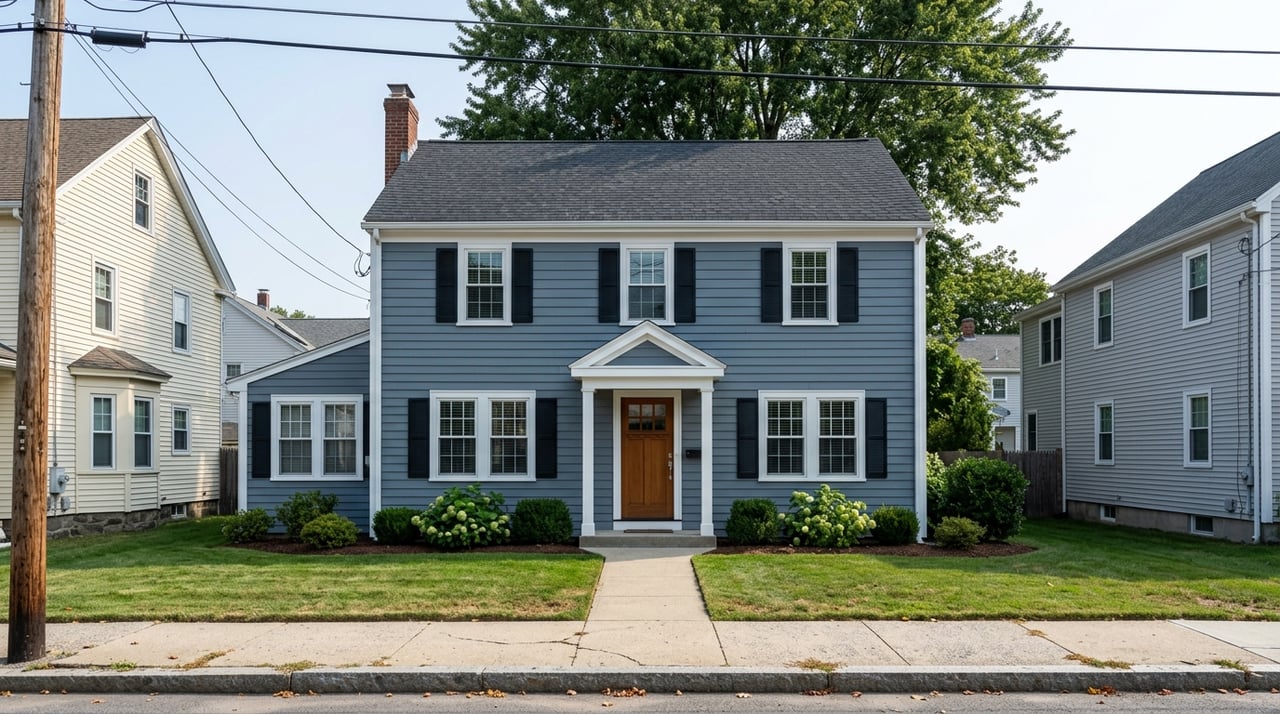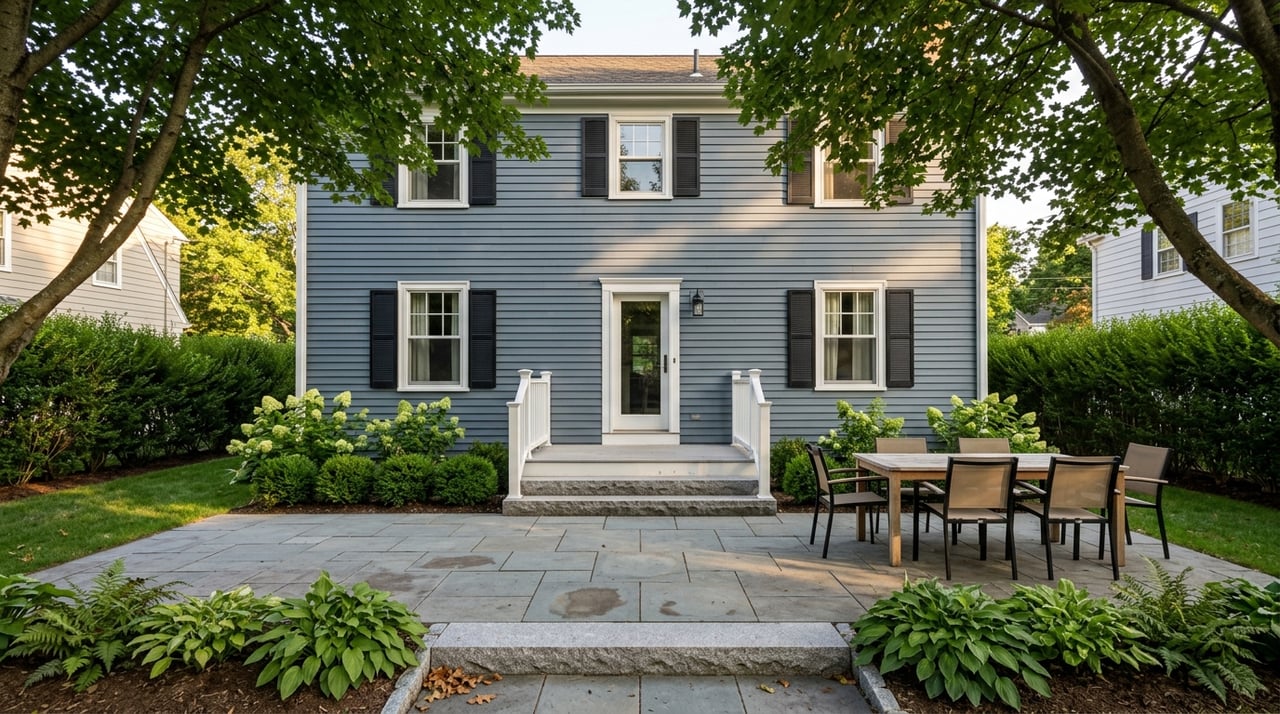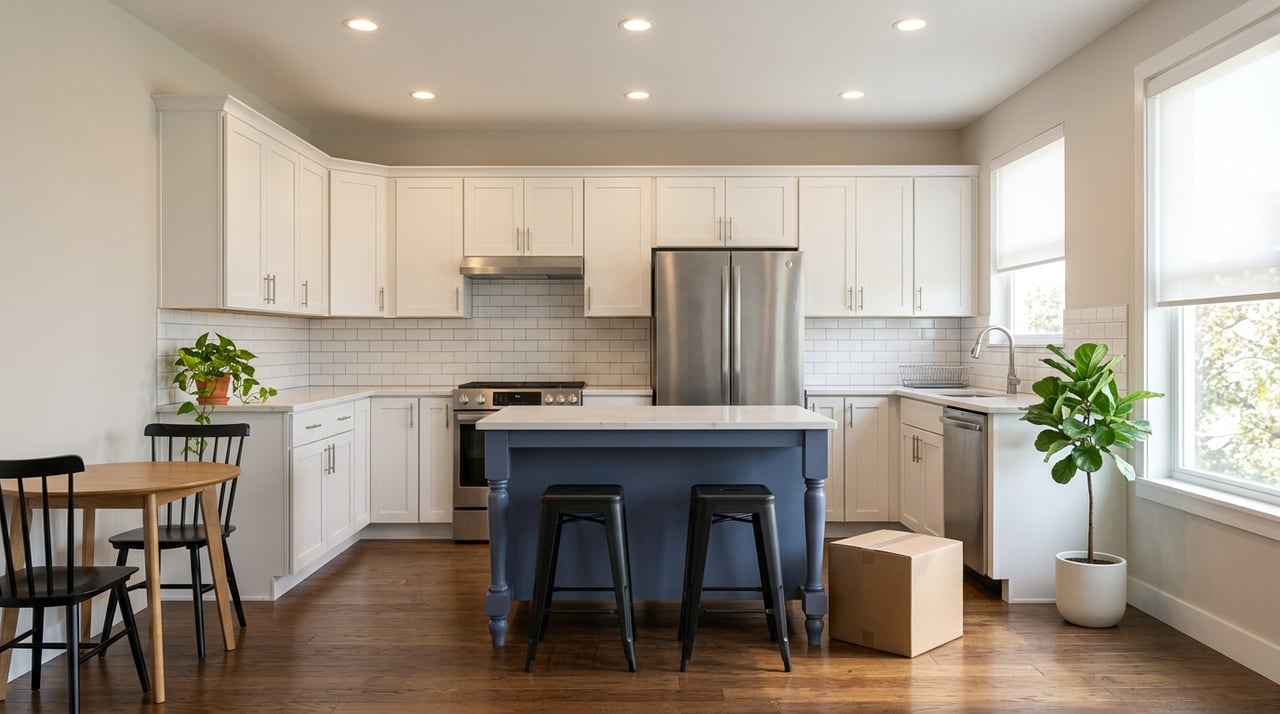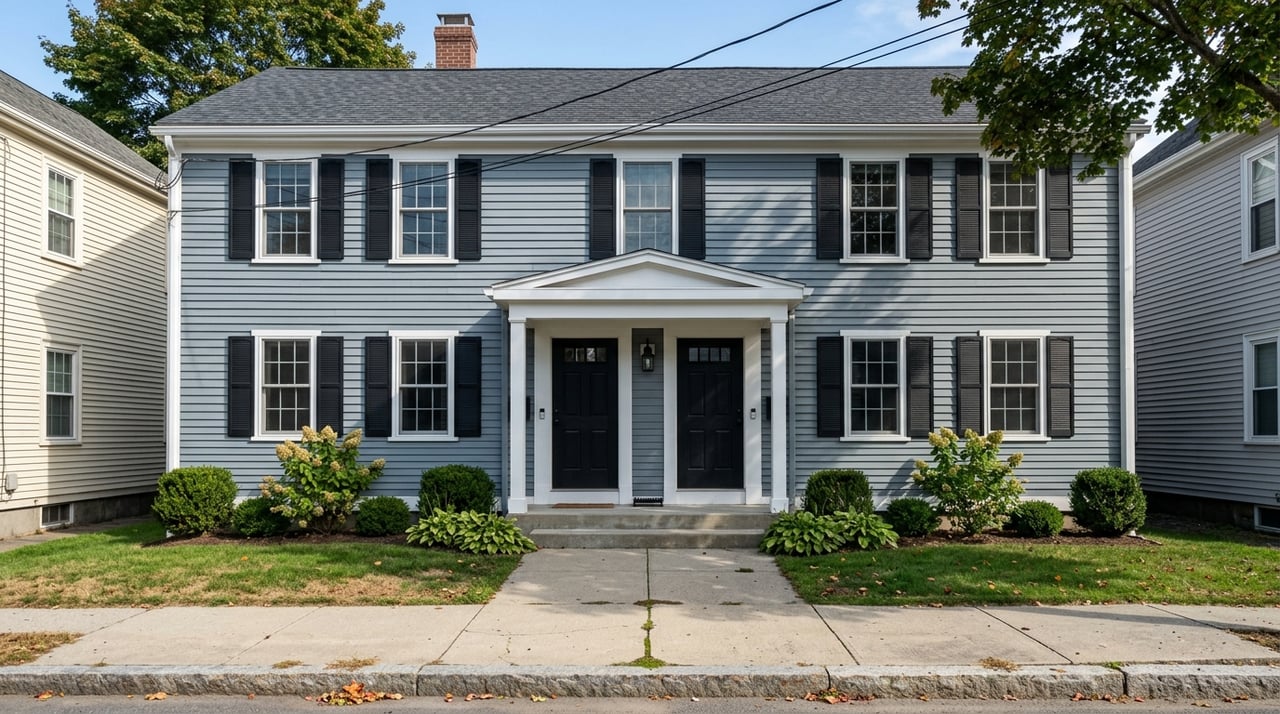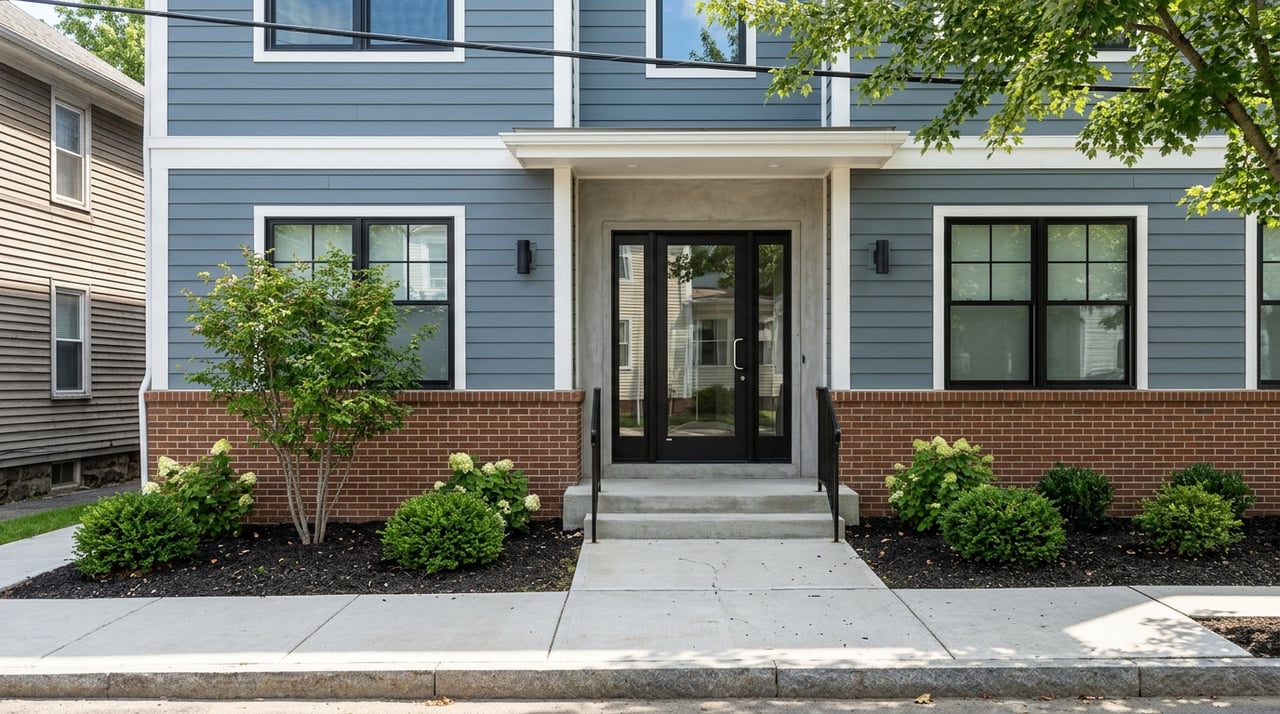
Shopping for a new construction condo in Watertown can feel exciting and a little tricky at the same time. You may love the idea of a brand-new home, lower maintenance, and modern amenities, but you also need to sort through condo documents, parking details, and project timelines with care. This guide will help you understand what new construction condos in Watertown look like today, what questions to ask, and what to review before you buy. Let’s dive in.
Watertown’s New Condo Market
Watertown’s condo pipeline is changing as the city updates zoning and planning in key areas. The city approved a compliant MBTA Communities zoning package on November 14, 2024, and received state compliance on April 9, 2025.
Under that law, Watertown must zone for 1,701 by-right multifamily units. The city’s Watertown Square study area covers 167 acres, and city materials note that by-right zoning can still include height and design standards along with site plan review.
That matters if you are buying new construction because future inventory may continue to cluster in walkable, mixed-use areas. It also means today’s project pipeline is part of a broader shift in how Watertown is growing.
Watertown Square Is Evolving
Watertown Square is not standing still. The city’s 2026 update says the future streetscape will reclaim 3.4 acres of roadway while widening sidewalks and open space.
For buyers, that points to a more pedestrian-friendly district over time. If you are drawn to convenience, access to shops and services, and a more urban condo lifestyle, this area may be especially worth watching.
Not Every New Project Is a Condo
One of the most important things to confirm early is whether a new building is actually offering condominiums for sale. In Watertown, some prominent new projects are rentals or mixed-use ownership arrangements rather than traditional condo inventory.
For example, Elysian Watertown Square is a rental project with 142 rental units and five owner-occupied townhouses. If you are browsing online or touring a new development, ask clearly whether the unit is a condo, a townhouse, a rental, or part of a mixed structure.
What New Construction Condos Look Like
Watertown’s newer condo product tends to lean toward efficient one- and two-bedroom layouts. Some projects also include three-bedroom units, and larger mixed-use developments may include studios.
In practical terms, that usually means you will see mid-rise buildings in walkable locations rather than large-lot homes with private yards. Many buyers are choosing these homes for convenience, newer systems, and shared amenities.
Recent examples help show the range. The Beacon at 101 North Beacon Street is a 28-unit, five-story condo building near Arsenal Yards with one-, two-, and three-bedroom homes, garage parking, an elevator, a roof deck and patio, and an exercise room.
Another example is the recently approved 108 Water Street project in Watertown Square. That plan includes 52 condo units with a mix of nine studios, 30 one-bedrooms, 12 two-bedrooms, and one three-bedroom, along with 26 parking spaces in a five-story building with a stepped-back top floor.
Common Amenities to Expect
Newer Watertown condo buildings often offer a similar menu of shared features. Depending on the project, you may find:
- Elevator access
- Garage or assigned parking
- Roof decks or patios
- Storage space
- Central air conditioning
- Fitness rooms
- Common outdoor areas
- Pet policies and association rules
- In some cases, concierge or doorman service
These features can add convenience, but they also affect monthly condo fees and building operations. When you compare buildings, look beyond the sales price and think about how often you will actually use each amenity.
Why Energy Questions Matter
Watertown has adopted higher building-energy standards than the base state code. The city says it became the first Massachusetts municipality to adopt the Specialized Stretch Code in January 2023, and the state says that code is designed to make new commercial, multifamily, and other construction more energy efficient and more aligned with a net-zero 2050 path.
For you as a buyer, that makes building systems worth a closer look. During a tour, ask about insulation, ventilation, heating and cooling systems, and whether the building uses electrified systems.
A brand-new condo may offer benefits beyond fresh finishes. Better energy performance can shape comfort, maintenance expectations, and day-to-day operating costs.
How Condo Governance Works in Massachusetts
A new construction condo is not just a unit. It is also a legal and financial relationship with the condominium association.
In Massachusetts, condos are governed by Chapter 183A and by the project’s master condominium documents. State guidance says most residential condominiums are structured as trusts with trustees, and the core document package includes the master deed, unit deed, declaration of trust or bylaws, rules and regulations, and any amendments.
The master deed typically covers the land and buildings, common and limited common elements, percentage interests, use restrictions, the managing entity, mortgagee protections, plats or plans, and amendments. The bylaws generally address trustee powers, maintenance and repair, insurance, meetings, voting, common expenses, reserve funds, and assessments.
Documents to Review Before You Buy
Before you commit to a Watertown new construction condo, ask for the key records early. Document review can tell you as much about the building as the tour itself.
Your review list should include:
- Master deed
- Bylaws or declaration of trust
- Rules and regulations
- Current budget
- Reserve study, if available
- Recent meeting minutes, if available
- Insurance certificate
- Special assessment notices
- Litigation disclosures
- Seller’s 6(d) certificate
If the project is new or newly converted and has more than four residential units, legal-document review is especially important. Fannie Mae’s project standards also call for review of certain legal provisions in these projects, including mortgagee notice, first-refusal rights, insurance proceeds, amendment thresholds, and termination rights.
Pay Attention to Reserves and Fees
Monthly condo fees are only one piece of the picture. You also want to understand whether the association is building and protecting reserves appropriately.
Massachusetts law requires an adequate replacement reserve fund that is collected as part of common expenses and kept separate from operating funds. State law also requires up-to-date records, including reserve-fund records, bank statements, financial reports, contracts, and insurance policies, and these records must be available for reasonable inspection by unit owners and mortgagees during business hours and retained for at least seven years.
That is why reserve strength matters so much when comparing buildings. A lower fee can look attractive at first, but it is more meaningful when you know what the budget covers and whether long-term capital needs are being planned for.
Ask About Developer Control and Turnover
In a new construction project, the association may still be under developer control when you buy. That is normal, but you should understand who is making decisions now and when owners will take over.
Ask who controls the board today, when turnover is expected, and whether the project is still subject to additional phasing, annexation, or active special assessments. Fannie Mae’s standards for new condo projects also say a project should be substantially complete and units should be available for immediate occupancy at closing.
These are practical questions, not technical extras. They help you understand how settled the project really is on the day you close.
Parking Can Vary More Than You Think
Parking is one of the easiest details to misunderstand in a new condo purchase. In Watertown, some projects offer garage parking, while others have fewer spaces relative to unit count.
Do not assume your parking arrangement is simple just because a listing says parking is available. Ask whether the space is deeded, assigned, leased, or waitlisted.
That distinction affects resale value, convenience, and your monthly costs. If you have or plan to have an electric vehicle, ask about EV charging rules too.
Massachusetts law says associations may not unreasonably restrict EV supply equipment in an owner’s separate-interest or exclusive-use parking area. Even so, it is smart to ask how the building handles installation, approvals, and ongoing electricity use.
Compare More Than List Price
If you are deciding between Watertown and nearby inner-ring suburbs, list price alone will not tell you enough. The more useful comparison is how each option performs across the features that affect your daily life and long-term value.
Focus on factors like:
- Building age
- Parking rights
- Elevator access
- Reserve strength
- Amount of shared amenity space per unit
- Association structure and rules
- Unit layout efficiency
In Watertown, newer projects are increasingly mid-rise and transit-oriented, while older condo stock may feel more established and less amenity-heavy. Your best fit depends on whether you value turnkey convenience, newer systems, and shared amenities, or a simpler association structure in an older building.
A Smart Touring Checklist
When you tour a new construction condo in Watertown, bring a checklist and use it. It is easy to get distracted by finishes and staging.
Here are some of the most useful questions to ask:
- Is this project a condo, rental, townhouse, or mixed-use ownership setup?
- Is the project substantially complete?
- Can the unit be occupied immediately at closing?
- Who controls the condo board today?
- When will unit owners take control?
- Are there future phases planned?
- What are the monthly condo fees, and what do they include?
- How large is the reserve fund?
- Are there any special assessments or pending assessments?
- What kind of parking comes with the unit?
- Are there EV charging policies?
- What are the pet rules?
- What building systems and energy features are included?
The goal is not to make the process harder. It is to help you buy with a clear picture of what you are getting.
Why Local Guidance Helps
New construction condos can look simple from the outside because everything is new. In reality, the details that matter most often sit in the documents, the budget, the parking setup, and the project timeline.
If you are considering a Watertown condo, it helps to work with someone who understands both the local market and the practical differences between buildings. A careful review upfront can help you compare options with more confidence and avoid surprises later.
If you are weighing new construction condo options in Watertown or nearby inner-ring suburbs, The Toland Team can help you compare buildings, review the details that matter, and move forward with a clear strategy.
FAQs
What should you ask when touring a new construction condo in Watertown?
- Ask whether the project is a condo or rental, whether the building is substantially complete, who controls the board, when owner turnover happens, how parking works, what the condo fee covers, and whether there are any special assessments or future phases.
What documents should you review before buying a new construction condo in Massachusetts?
- Review the master deed, bylaws or declaration of trust, rules and regulations, current budget, reserve study if available, meeting minutes if available, insurance certificate, litigation disclosures, special assessment notices, and the seller’s 6(d) certificate.
What amenities are common in new construction condos in Watertown?
- Common amenities often include elevators, garage or assigned parking, roof decks or patios, storage, central air, fitness rooms, outdoor common space, and pet policies, with some buildings also offering concierge or doorman service.
Why do reserve funds matter in a Massachusetts condo building?
- Reserve funds matter because state law requires an adequate replacement reserve fund kept separate from operating funds, and healthy reserves can reduce the risk of unexpected financial strain or future assessments.
How do you compare new construction condos in Watertown with older condos nearby?
- Compare building age, parking rights, elevator access, reserve strength, amenity space, association rules, and layout efficiency rather than focusing only on list price.