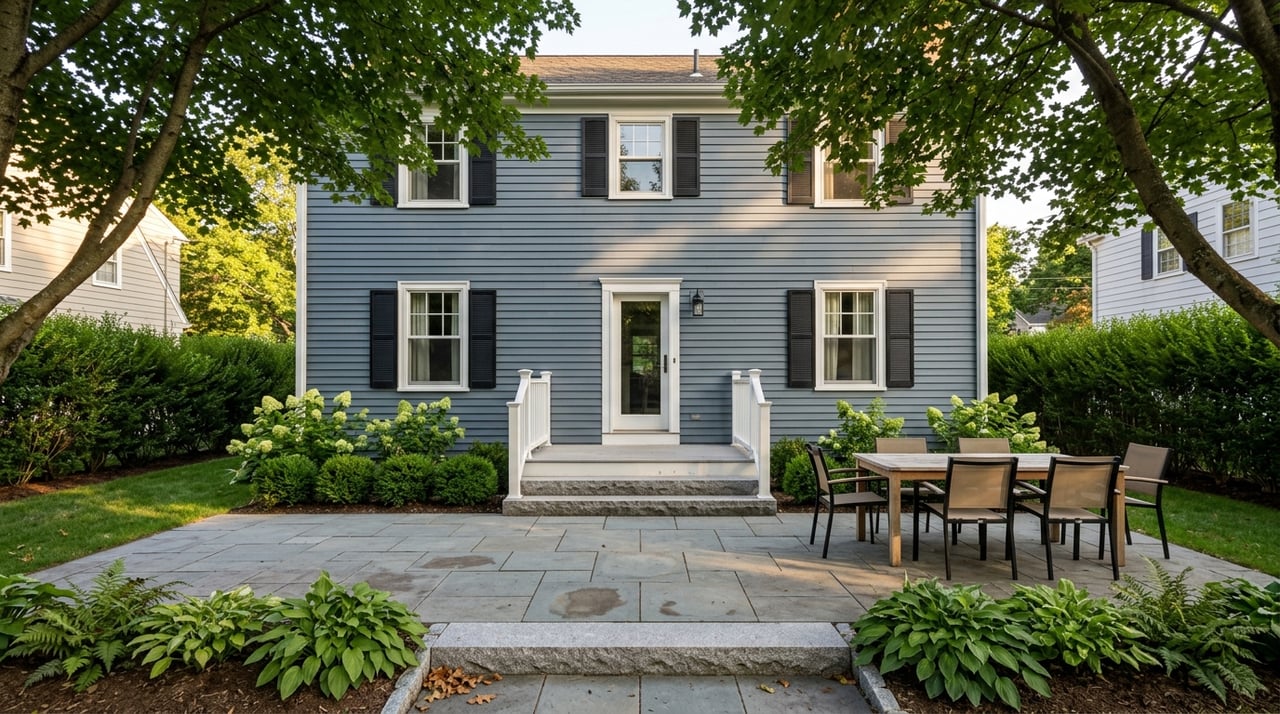
Thinking about what daily life in Arlington really feels like? For many buyers, it comes down to more than square footage or a commute. It comes down to whether you can step outside and easily reach a trail, a park, a summer event, or a quiet green space. If you are exploring Arlington as your next move, this guide will show you how the town’s outdoor spaces shape everyday living. Let’s dive in.
Outdoor living in Arlington
Arlington’s outdoor appeal is less about one big destination and more about a connected network of parks, paths, and public spaces. The town’s Cultural District describes Arlington as about 10 miles west of Boston, with Massachusetts Avenue and the Minuteman Bikeway helping tie key community areas together.
That matters when you are choosing where to live. In Arlington, outdoor access often works like part of your daily routine, whether that means walking, biking, heading to a field, or meeting up at a seasonal event.
Minuteman Bikeway access
One of Arlington’s best-known outdoor features is the Minuteman Bikeway. It is a 10-mile multi-use trail shared by Arlington, Cambridge, Lexington, and Bedford, and the bikeway connects to Alewife Station in Cambridge.
For residents, that creates more than a recreational amenity. It supports day-to-day mobility and makes it easier to move through town and into nearby communities without always needing a car.
Arlington Recreation also promotes free adult recumbent tricycle rentals with advance reservations. That is a small but useful sign that the town’s outdoor culture includes a range of ways to get outside and use shared public space.
Parks across Arlington
Arlington’s parks are spread across town rather than clustered in one area. That gives many parts of town access to outdoor spaces that support play, walking, sports, and informal gathering.
Instead of a one-size-fits-all park system, Arlington offers a mix of civic greens, athletic fields, water-adjacent spots, and neighborhood open spaces. That variety is a big part of what makes outdoor living here feel practical and woven into everyday life.
Spy Pond and East Arlington
Spy Pond Park is a standout for its mix of uses. It includes a playground, a boat ramp, and bike-path access, making it a flexible spot for both active use and casual time outdoors.
Nearby, Spy Pond Field adds a baseball diamond, little-league field, soccer space, and four tennis courts. Together, these spaces create a strong outdoor cluster in East Arlington.
Magnolia Park adds even more to that picture. It includes a playground, basketball court, large open field, community gardens area, and access to the bike path.
Reservoir and Arlington Heights
Reservoir Beach at 250 Lowell Street is Arlington’s summer swim spot. According to current town recreation information, the beach generally opens in mid-June and closes in late August, weather permitting.
Even outside swim season, the walking trail around the reservoir stays open year-round. That gives this area a strong four-season presence for residents who want an easy loop for walking and fresh air.
Hurd and Reservoir Fields also contribute to this part of town’s outdoor options, with fields plus access to the reservoir and the bike path. In Arlington Heights, that combination helps connect recreation, scenery, and everyday movement.
Center and civic green spaces
Whittemore Park offers a different kind of outdoor experience. The town describes it as a civic green with mature trees, benches, the Jefferson Cutter House, and a remnant stretch of the Boston & Maine Railroad.
It is also a community event space. Whittemore Park is identified by the town as a site for summer concerts, First Lights, and Art on the Green on Town Day.
That mix of history, public space, and programming adds another layer to outdoor living in Arlington. It is not just about exercise or sports. It is also about shared traditions and public gathering.
Neighborhood parks and natural areas
Menotomy Rocks Park offers open green spaces, walking trails, and fishing. It is one of the town spaces that helps balance Arlington’s more active recreation areas with a quieter natural setting.
Robbins Farm Park is another important community space. It includes a baseball diamond, a large green space used for soccer, a playground, summertime movies, and a 4th of July celebration.
The Great Meadows, which is town-owned, includes walking trails in Arlington and Lexington. For buyers who value access to trails and open land, it adds another piece to Arlington’s outdoor network.
Seasonal outdoor routines
One of the most appealing things about Arlington is how its outdoor life changes with the seasons. The town’s parks and public spaces support different rhythms throughout the year rather than peaking only in summer.
In warmer months, Reservoir Beach becomes a destination for swimming, while parks like Robbins Farm and Whittemore host outdoor gatherings and events. Walking trails and bike-path access stay relevant across seasons, which helps outdoor living feel consistent rather than occasional.
Older town planning materials describe Robbins Farm Park as a place used for winter sledding and cross-country skiing. Those same materials describe Menotomy Rocks Park as a destination for ice-skating, walking, and birding, and Great Meadows as a place for cross-country skiing and bird-watching.
While those winter examples come from older planning documents rather than current programming, they still show how Arlington’s open spaces have long supported shoulder-season and cold-weather use. That is useful context if you are looking for a town where parks stay part of daily life beyond summer.
Seasonal events that bring people out
Arlington’s outdoor identity is also tied to recurring public events. The Cultural District highlights Porchfest, Romancing the Square, Feast of the East, Arlington Alive Arts Festival, Town Day, and Taste of Arlington.
These events help turn familiar streets and public spaces into gathering places. For residents, that can make the town feel active and connected in a very local, neighborhood-scale way.
Town Day is a strong example. It is held along Massachusetts Avenue between Pleasant Street and Jason Street, and visitors are encouraged to walk to the event.
In December, First Lights brings seasonal activity to Whittemore Park with festive lighting, student music, cookie decorating, hot chocolate, candy, and an art hunt. It is another reminder that Arlington’s public outdoor spaces remain active well past the warm-weather months.
Community gardens and stewardship
Outdoor living in Arlington is not only about using parks. It is also about helping shape and maintain them. Several town-supported or community-led garden and landscape efforts show how stewardship is part of the local outdoor culture.
Magnolia Park includes a community gardens area in the current parks inventory. Robbins Farm Garden is described in a town document as a cooperative community garden project run through Recreation, with gardening on Saturday mornings from April through November and Tuesday evenings from June through September.
The Arlington Community Orchard is a volunteer-maintained community garden with fruit trees, berries, and medicinal herbs. It can be reached by signs from the Minuteman Bikeway and Brattle Street.
Garden 250 is another current project worth noting. It focuses on native plantings along the Minuteman Bike Trail from Mystic Street to Mill Street, with an emphasis on community involvement and environmental stewardship.
For homebuyers, these details add helpful texture. They suggest that Arlington’s green spaces are not only maintained for recreation, but also supported by residents through volunteer care, gardening, and restoration work.
What this means for buyers
If you are comparing Arlington with other nearby communities, its outdoor assets stand out because they are compact, neighborhood-based, and closely tied to daily routines. You are not relying on a single major park at the edge of town. Instead, you are looking at a network of trails, fields, civic greens, and seasonal gathering spaces spread across Arlington.
That can shape how a neighborhood feels from one block to the next. Proximity to the bikeway, reservoir, Spy Pond, or a well-used community park may influence how often you walk, bike, or spend time outside during the week.
It can also affect the kind of lifestyle you picture in a new home. Whether you want access to a trail, a playground, a summer event, or a quiet place to walk, Arlington offers several ways to connect outdoor time with everyday living.
If you are considering a move to Arlington or another nearby community, The Toland Team can help you evaluate not just the home, but how the location supports the way you want to live.
FAQs
What outdoor trail is most central to daily life in Arlington?
- The Minuteman Bikeway is a key outdoor corridor in Arlington, with a 10-mile multi-use route shared by Arlington, Cambridge, Lexington, and Bedford, plus a connection to Alewife Station in Cambridge.
What Arlington park offers summer swimming and year-round walking?
- Reservoir Beach is Arlington’s summer swim spot, and the walking trail around the reservoir remains open year-round.
What Arlington parks are near Spy Pond and the bike path?
- Spy Pond Park offers a playground, boat ramp, and bike-path access, while nearby Spy Pond Field provides sports space and tennis courts; Magnolia Park also includes bike-path access.
What seasonal events take place outdoors in Arlington?
- Arlington’s Cultural District highlights events such as Porchfest, Romancing the Square, Feast of the East, Arlington Alive Arts Festival, Town Day, and Taste of Arlington, with First Lights held in Whittemore Park in December.
What Arlington outdoor spaces include gardens or stewardship projects?
- Magnolia Park has a community gardens area, Robbins Farm Garden operates as a cooperative community garden, the Arlington Community Orchard is volunteer-maintained, and Garden 250 focuses on native plantings along the Minuteman Bike Trail.