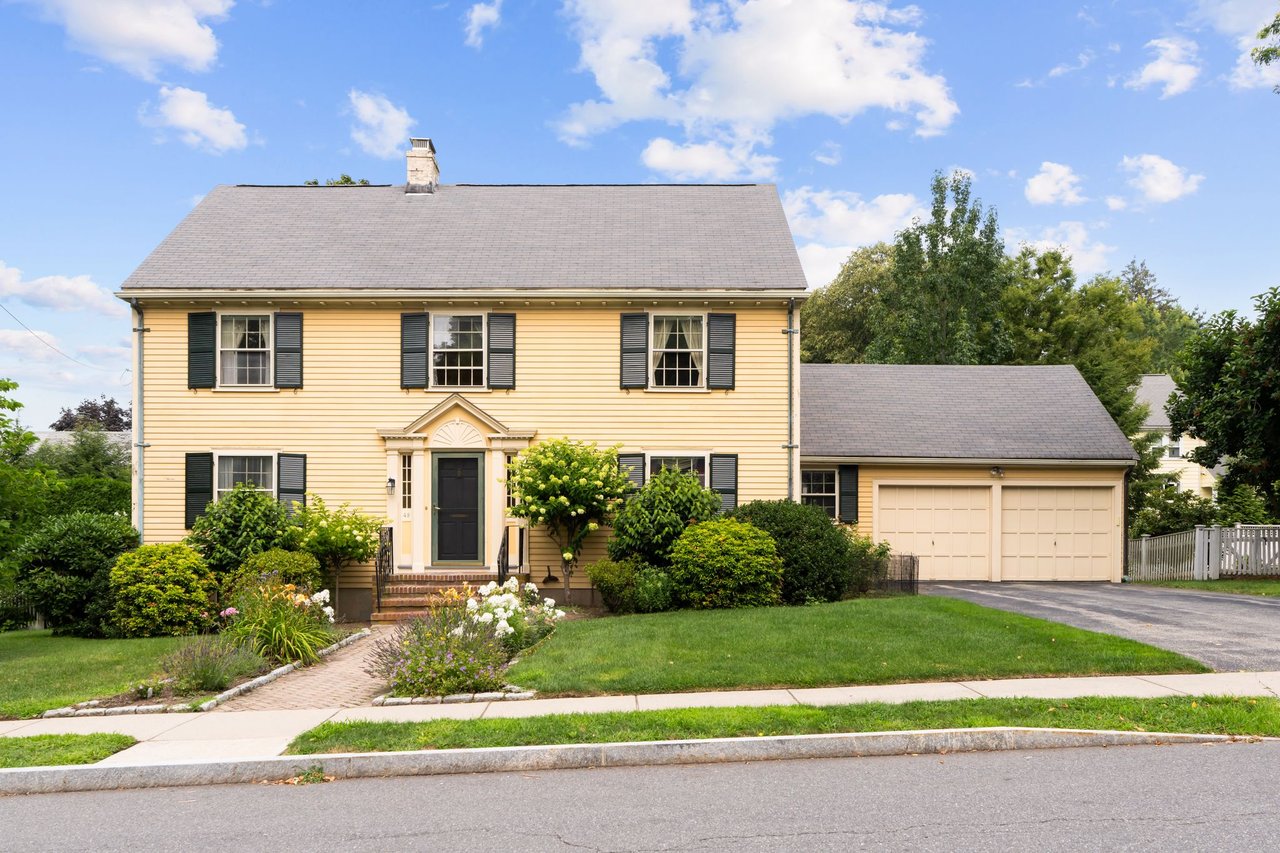
What to fix, what to leave, and where to start
By Owen Toland | Toland Team
Getting ready to sell your home in Belmont, Massachusetts? Start with a walkthrough and a plan before spending money on improvements. We help sellers decide what deserves attention, what can stay as it is, and how to fit the work into their budget and timeline.
These are the conversations we have with homeowners at our first meeting, along with practical steps to make the preparation more manageable.
Start decluttering earlier than you think
For many sellers, sorting through years of belongings is the hardest part. Furniture, closets, basements, and attics can take longer than expected. Start with items you know will not be coming with you, then work through one room at a time.
We often suggest local Buy Nothing groups as a way to pass usable items along to neighbors. For furniture donations, contact the organization first to confirm what it accepts and whether pickup is available. Belmont also lists a fee-based donation pickup option through ReSupply.
For items that cannot be reused, the town offers official overflow bags and scheduled bulky-item pickup. Check the current rules before putting anything at the curb. We can also connect you with local removal companies so you can compare estimates based on what needs to go.
Belmont trash and overflow bag information
Belmont donation pickup options
Repair the things that need attention
A leaking faucet, an outlet that does not work, or a fogged window with a failed seal is worth evaluating before listing. Small problems can distract buyers and raise questions about maintenance. We can help prioritize the work and connect you with appropriate professionals, including licensed tradespeople when needed.
Start this assessment early, even while you are decluttering, so contractor schedules do not hold up your plans.
Choose improvements that suit the house
Once the essentials are addressed, we look at changes that can improve presentation without taking on an unnecessary renovation.
Paint. Fresh paint can help a room feel clean and cared for. We generally recommend neutral colors that work with the home’s light and finishes. Benjamin Moore White Dove is one of our favorites, but we like to evaluate the color in the actual space before committing.
Lighting. A dim or dated fixture may be worth replacing. Sometimes better bulbs and a simpler fixture are enough to improve how a room shows.
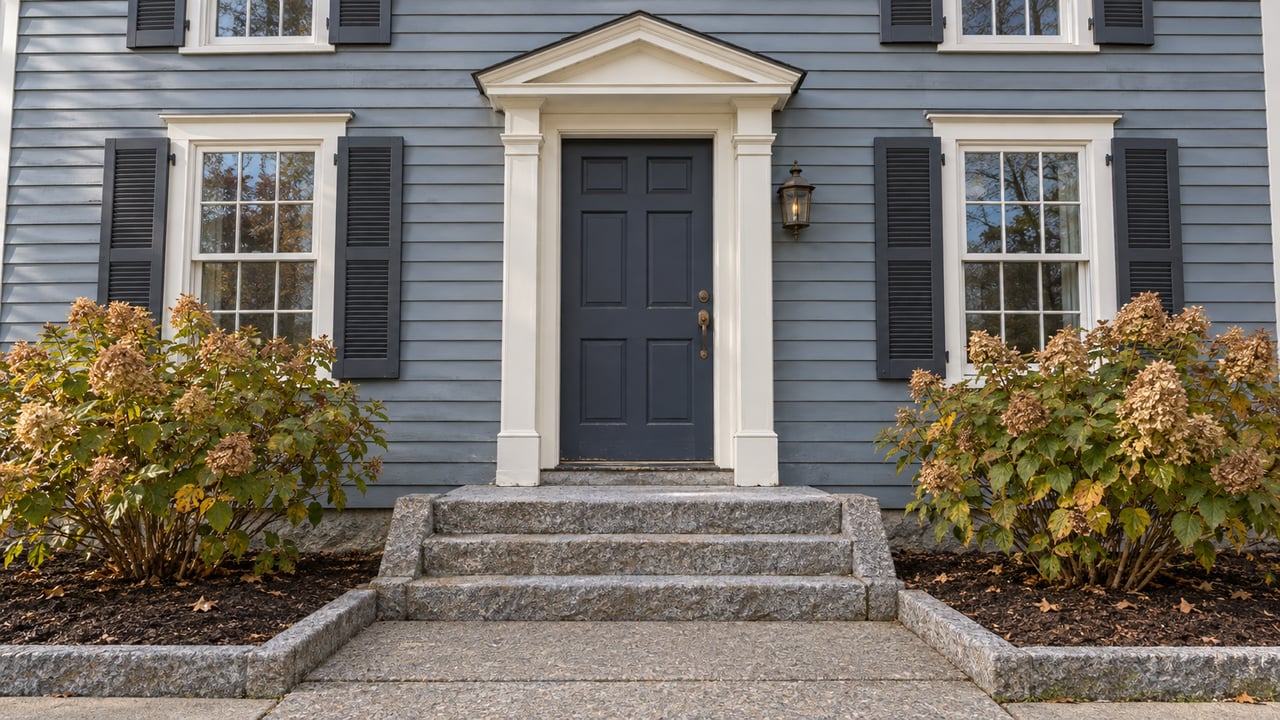
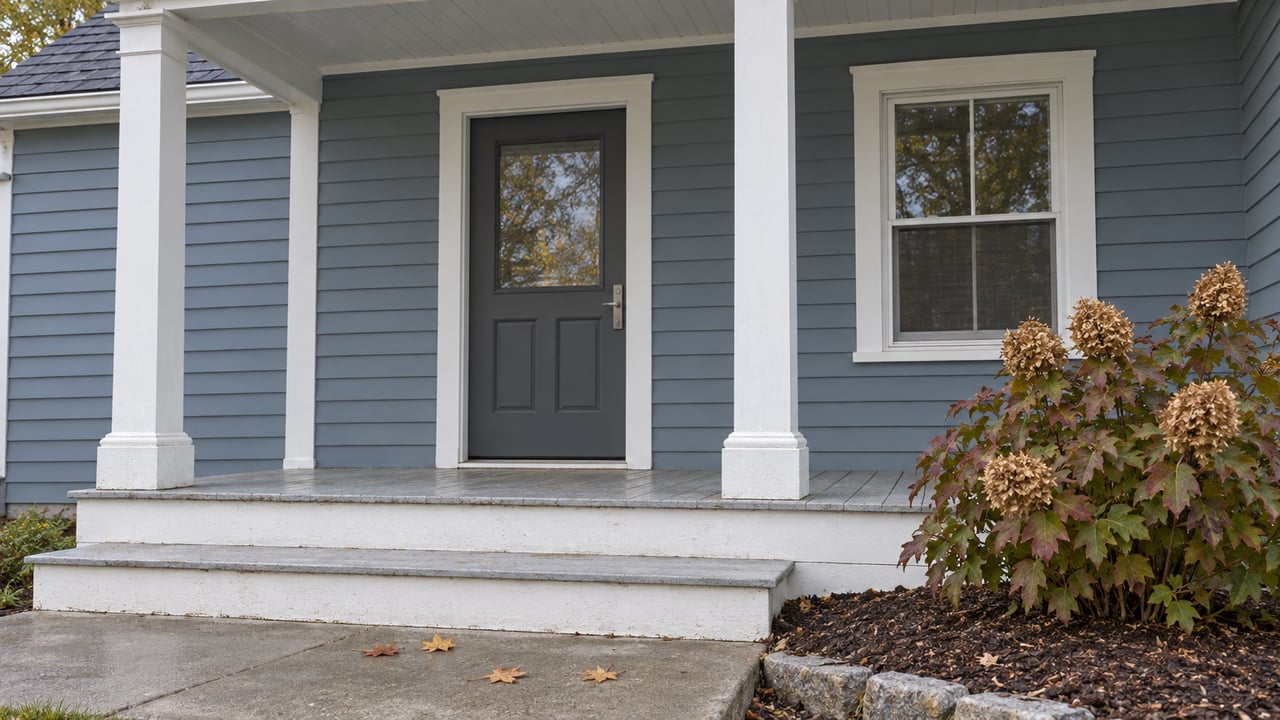
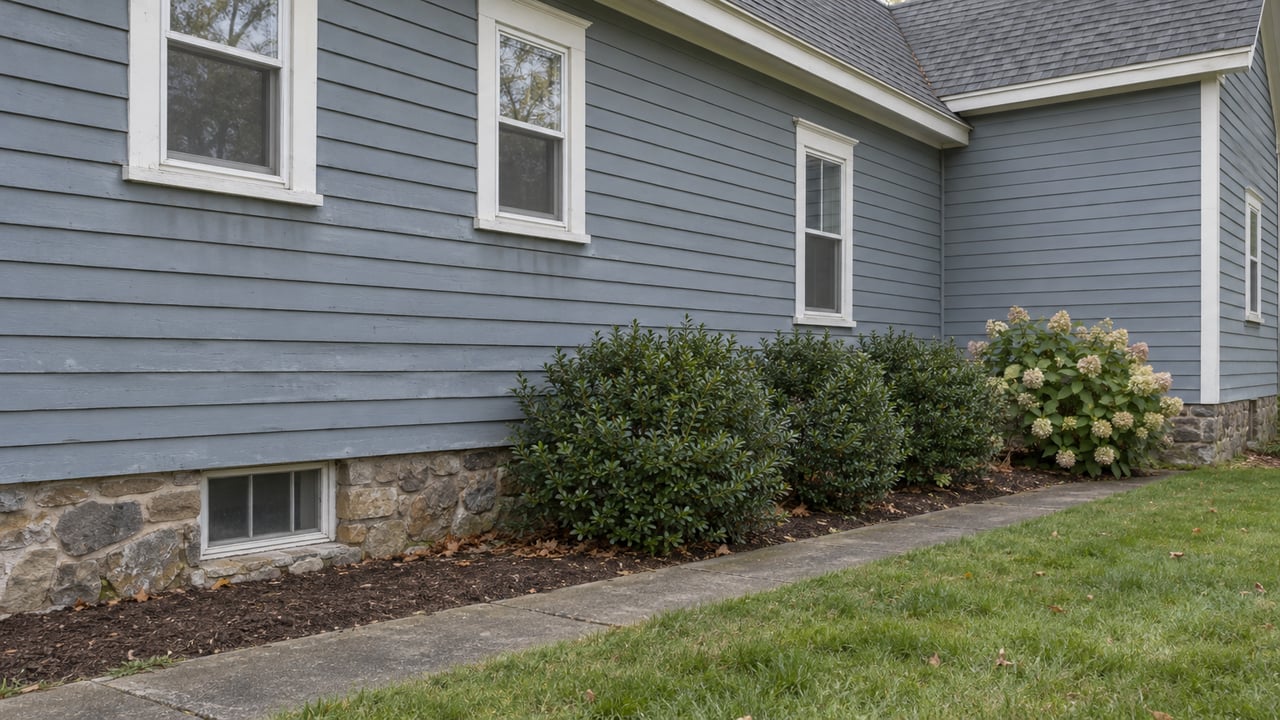
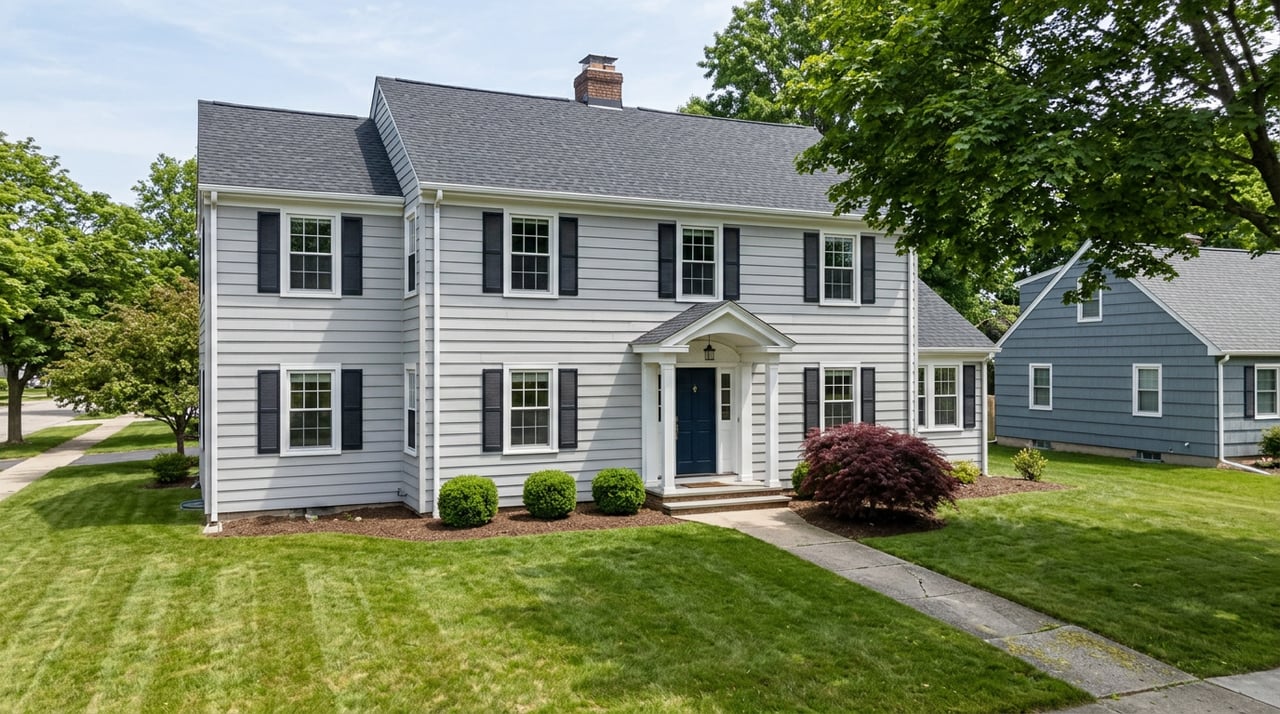
Landscaping. Seasonal cleanup, trimmed plantings, and a tidy front entrance help make the approach to the home feel welcoming. The scope should fit the season and the property.
Hardwood floors. Refinishing worn floors can make a noticeable difference, but get an estimate and discuss the disruption first. Sanding, finish odors, curing time, and moving furniture all affect the decision. In our experience, this work is often easier to coordinate when the home is vacant.
Should you renovate the kitchen or bathroom
Usually, we would not recommend a full kitchen or bathroom renovation solely to prepare for a sale. These projects can be costly, delay your timeline, and involve design choices that a buyer might make differently. There is no guarantee you will recover the expense.
That does not mean ignoring damage or worn finishes. Repairs, paint, updated hardware, or selected fixtures may be worth considering. We look at the condition of the room, the likely cost, and the home’s position in the market before recommending a project.
Decide whether staging would help
Staging is a property-by-property decision for us. Some vacant homes show well without furniture. Others benefit from staging that helps buyers understand the scale of a room or how an unusual layout can function.
If you are living in the home, a consultation may be enough. Rearranging furniture, removing a few pieces, or adding finishing touches can help the rooms photograph and show more clearly. We want the presentation to support the home and your budget.
Gather your home improvement records
Put together a list of updates with dates, contractor names, and any available receipts, warranties, or permit records. Roof replacements, heating systems, windows, and other improvements can help us explain the home’s history accurately in the marketing.
Keep those records for your tax professional, too. Qualifying capital improvements generally increase your home’s tax basis and may reduce the taxable gain when you sell. Routine repairs are generally treated differently. Your tax adviser can determine what applies to your situation.
IRS Publication 523 on selling your home
Review permits and legal preparation early
Before marketing, we recommend checking the property’s permit history and whether required final inspections were completed. Belmont directs property owners to the Office of Planning and Building for inspection records and permit history. If a permit remains unresolved, discuss the next steps with the town, the contractor, and your attorney. Allow time for any inspections or follow-up work.
Belmont permit records and online permitting guidance
We also recommend choosing a Massachusetts real estate attorney before the home goes on the market. Having someone in place early gives you a resource for reviewing an offer and handling the purchase and sale agreement, deed preparation, and other legal aspects of the transaction.
As part of the preparation timeline, check the applicable smoke and carbon monoxide inspection requirements with the Belmont Fire Department. This is another item to plan ahead for rather than leave until closing approaches.
Belmont permits and smoke and carbon monoxide certificate information
Get ready for photographs and showings
Once the work is complete, plan a thorough cleaning and a final walkthrough before photography. Clear counters, tidy storage areas, and arrange rooms so buyers can see their layout and features.
Before showings and open houses, secure jewelry, cash, medications, personal documents, and other valuables. Even during a hosted open house, visitors may not be accompanied in every room. Taking these precautions helps you feel more comfortable opening your home to buyers.
Build a plan around your sale
Every home and seller has different needs. Your preparation plan should reflect your budget, moving plans, and the time you have available.
If you are thinking about selling in Belmont, reach out to the Toland Team for a walkthrough. Even if your move is several months away, we can help you decide where to start and which projects are worth considering before you spend the money.