Buying your first home can feel like trying to hit a moving target, especially in a close-in market near Boston. If you are considering Watertown, you are probably weighing price, commute, home style, and whether the town fits the way you actually live day to day. This guide will help you look at Watertown through a first-time buyer lens so you can decide if it matches your budget, priorities, and long-term plans. Let’s dive in.
Why Watertown gets attention
Watertown offers a location that puts you close to Cambridge, Boston, and other inner-ring suburbs while still having its own housing market and daily rhythm. The city describes itself as about 4.1 square miles, and Census QuickFacts estimates a 2024 population of 35,985.
For many first-time buyers, that smaller footprint is part of the appeal. You get an inner-core suburb with access to jobs, services, and multiple ways to get around, but you also need to be realistic about price and competition.
What first-time buyers should know about prices
Watertown is not an entry-level market in the traditional sense. Census data puts the median value of owner-occupied homes at $784,600, while Zillow’s April 30, 2026 home value index shows a typical value of $842,508.
That same Zillow snapshot showed 71 homes for sale, with homes going pending in about 8 days. In plain terms, that suggests a market where good listings can move quickly, even if price growth is not accelerating at an extreme pace.
Renting is not especially cheap either. Zillow estimates average rent at $2,991 per month, which means the buy-versus-rent decision in Watertown is often about more than just monthly savings.
Watertown housing stock looks different
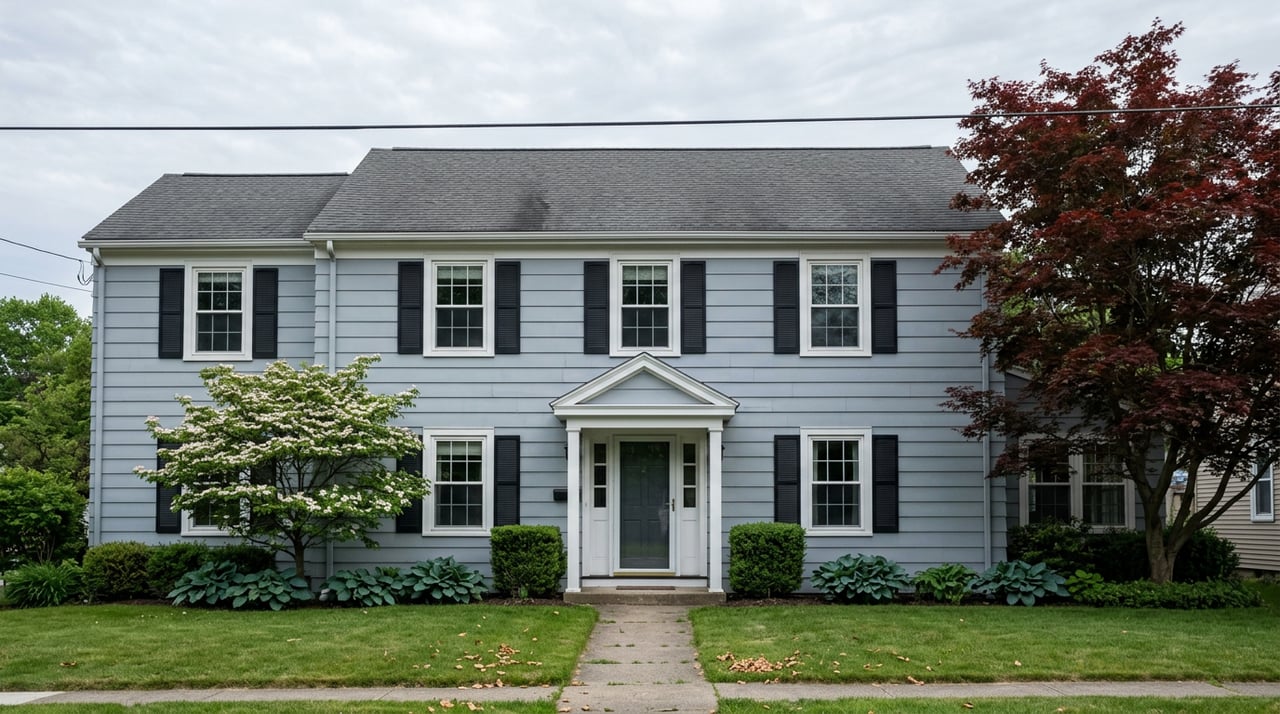
One of the biggest reasons Watertown may or may not fit your first purchase is the type of housing you are likely to find. This is not a market dominated by newer detached homes on larger lots.
According to Housing MA, Watertown’s housing stock is 33.6% single housing units and 43.16% 2-4 unit buildings. Another 16.1% of the housing stock is in buildings with 20 or more units.
That matters because your most realistic options may look different from what you first imagined. Instead of focusing only on a traditional single-family home, you may want to compare condos, conversions, and owner-occupied small multi-family properties.
Older homes are common
Watertown’s housing stock is also older than many buyers expect. Housing MA reports that 48.1% of units were built before 1939, and another 21.91% were built between 1940 and 1959.
Only 4.9% of units were built in 2000 or later. For you as a buyer, that can mean more questions about roof age, heating systems, windows, electrical updates, insulation, and renovation quality.
Older housing is not automatically a problem, but it does raise the importance of careful due diligence. In Watertown, condition often matters just as much as location.
Condo or small multi-family?
For many first-time buyers in Watertown, this is the key decision. Because 2-4 unit buildings make up such a large share of the local housing stock, condo and small multi-family ownership are central options here.
A condo may appeal to you if you want lower day-to-day exterior maintenance, a smaller footprint, or a simpler entry point into the market. A small multi-family may appeal if you want more space, more flexibility, or the potential for rental income from another unit.
Neither option is automatically better. The right fit depends on your comfort with maintenance, your financing plan, and how much responsibility you want in your first property.
What to review in a condo
If you are looking at a condo in Watertown, pay close attention to the building as a whole, not just the unit itself. In an older housing market, shared systems and common expenses can have a big impact on your budget.
Focus on items like:
- The age and condition of major building systems
- The condo association’s budget and reserves
- Planned repairs or capital projects
- Rules that affect your day-to-day use of the property
- The overall maintenance history of the building
What to review in a 2-family or 3-family
If you are considering a small multi-family as a first home, the upside can be meaningful, but so is the complexity. Building condition, layout, deferred maintenance, and income potential all deserve a close look.
In Watertown, where this type of housing is common, it helps to think through both the homeownership side and the property-management side before you make an offer. That is especially true if this would be your first time handling a multi-unit property.
Commute fit matters in Watertown
Watertown can work well for buyers who are comfortable with buses, shuttles, biking, and shorter car trips. It is less likely to feel seamless if your top priority is stepping out your front door to a rail stop.
The city says MBTA Routes 71, 73, and 70 connect to Red Line trains at Harvard Square and Central Square. It also notes express buses from Watertown Square to Back Bay and the Financial District, plus WTMA shuttles connecting Harvard Square with commercial areas on Pleasant Street and Arsenal Street.
Watertown also highlights more than 10 miles of bike and pedestrian paths, Bluebikes stations, major highway access, and a roughly 20 to 25 minute trip to Logan Airport. For some buyers, that combination is a real strength.
Watertown is more bus-oriented than rail-oriented
This point is important for first-time buyers who are choosing between nearby communities. Watertown’s transportation setup is more bus-and-shuttle oriented than rail-centric.
The city’s transportation planning page notes completed bus-priority work for Routes 71 and 73, while the Community Path project is still underway. If direct rail access is a must-have for your routine, you may want to weigh that carefully before deciding Watertown is the right match.
Ownership costs go beyond the mortgage
In a market like Watertown, monthly payment planning needs to go beyond the purchase price alone. Taxes, condo fees, maintenance, and future repairs can all shape what feels affordable once you move in.
Watertown’s fiscal year 2026 residential tax rate is $12.20 per $1,000 of assessed value. The city also states that qualified primary residents may receive a residential exemption tax savings of $3,961.52.
That does not mean every buyer will qualify, but it does mean local property taxes should be part of your planning from the start. In Watertown, carrying costs deserve just as much attention as the offer price.
How competitive is Watertown right now?
Based on Zillow’s April 2026 data, Watertown remains competitive. With 71 homes for sale and a median 8 days to pending, buyers should expect that well-priced properties can attract quick interest.
At the same time, Zillow reports a one-year value change of +1.6%. That suggests a market that is still tight, but not necessarily moving at a runaway pace.
For a first-time buyer, that can be encouraging. You may still need to act decisively, but the data does not point to a market where every decision has to be rushed without a plan.
Long-term outlook in Watertown
If you are buying your first home, you are probably not just thinking about next month. You are also thinking about whether the town supports your life over the next few years and whether the housing market has staying power.
Watertown is in the middle of housing and zoning changes that may matter over time. The city says it adopted MBTA Communities-compliant zoning on November 14, 2024, and the Commonwealth issued a determination of compliance on April 9, 2025.
The city also explains that the state is requiring zoning for 1,701 by-right multi-family units, not requiring that 1,701 units actually be built. Even by-right projects still face zoning limits, design standards, and site plan review.
For buyers, the takeaway is simple. Watertown is planning for housing growth, but that does not mean the market will suddenly become flooded with new inventory.
So, is Watertown right for your first purchase?
Watertown can be a strong fit if you want an inner-suburb location, access to Cambridge and Boston, and realistic paths into ownership through condos or small multi-family properties. It may also suit you if you value proximity and flexibility more than a large yard or newer-home inventory.
It may be a weaker fit if your priorities are a direct rail stop, a mostly detached-home market, or housing stock built in the last 20 years. That does not make Watertown better or worse than nearby towns. It simply means the fit depends on what kind of first-home experience you want.
The best first home is not always the one that checks every box on day one. It is the one that fits your finances, your commute, and your comfort level with the type of property you will actually own.
If you want help comparing condos, single-family homes, or small multi-family opportunities in Watertown, The Toland Team can help you evaluate the tradeoffs and move forward with a clear local strategy.
FAQs
Is Watertown affordable for first-time home buyers?
- Watertown is a higher-cost market. Census data puts the median value of owner-occupied homes at $784,600, and Zillow’s April 2026 home value index shows a typical value of $842,508.
Are condos common in Watertown for first-time buyers?
- Condo-style opportunities are common because Watertown has a large share of multi-unit housing, including 43.16% in 2-4 unit buildings and 16.1% in buildings with 20 or more units.
Does Watertown have direct rail service for commuters?
- Watertown’s transit network is primarily bus- and shuttle-based. The city says MBTA Routes 70, 71, and 73 connect riders to Red Line service in Harvard Square and Central Square.
Are most homes in Watertown newer construction?
- No. Housing MA reports that 48.1% of units were built before 1939, and only 4.9% were built in 2000 or later.
What property tax should Watertown buyers expect?
- Watertown’s fiscal year 2026 residential tax rate is $12.20 per $1,000 of assessed value, and qualified primary residents may be eligible for a residential exemption tax savings of $3,961.52.
Is a small multi-family a realistic first purchase in Watertown?
- It can be. Watertown has a substantial share of 2-4 unit housing, which makes small multi-family ownership a realistic option to compare alongside condos and single-family homes.