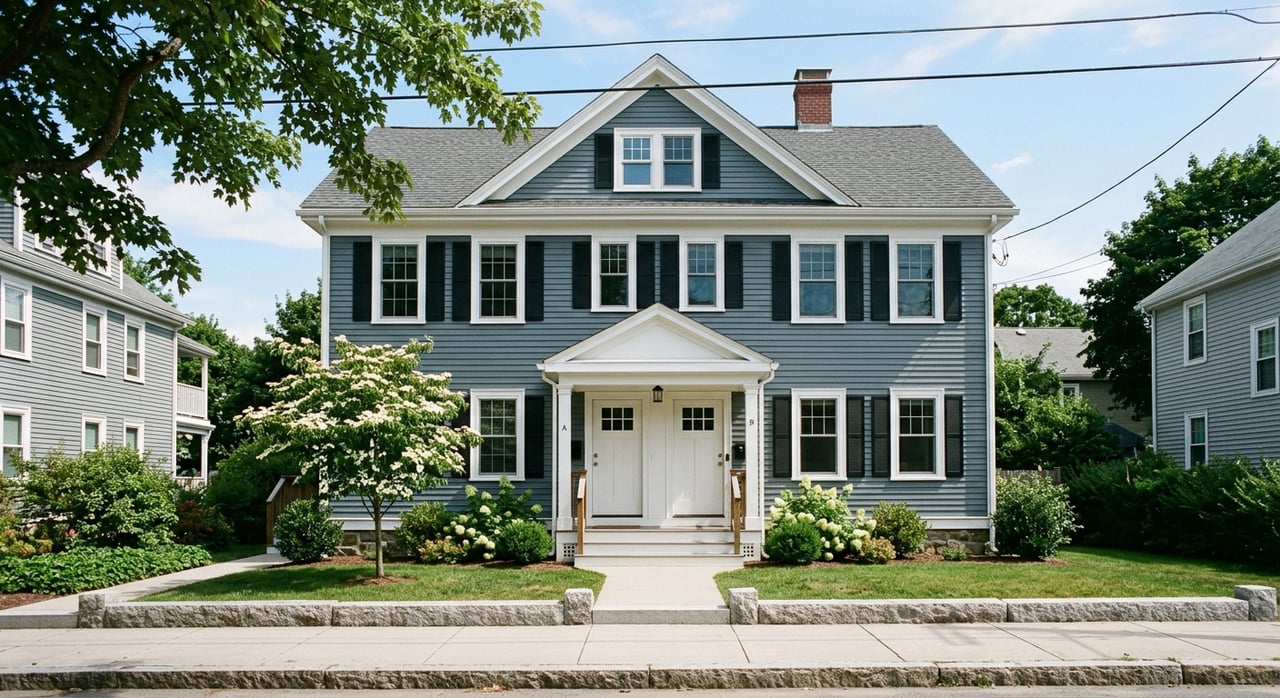
Thinking about buying a two-family or three-family in Waltham? You are not alone. In a city with a sizable rental market and a meaningful share of housing in 2-4 unit buildings, small multifamily investing is a practical entry point for buyers who want to live in one unit, build long-term wealth, or add a manageable rental property to their portfolio. This guide walks you through what to look for, how to underwrite conservatively, and where first-time buyers often get tripped up so you can start with clearer expectations. Let’s dive in.
Why Waltham fits small multifamily buyers
Waltham offers a mix of renter demand and owner-occupant demand that makes small multifamily properties worth a close look. The city had 65,218 residents in the 2020 Census, 26,038 total housing units, an owner-occupied rate of 48.8% from 2019-2023, and a median gross rent of $2,232.
Those numbers are best used as directional signals, not as one exact formula for every property. Still, they point to a market where renting is a major part of the housing picture, which matters if you are considering a two-family, three-family, or similar small income property.
The local housing profile also shows a strong base of smaller multifamily stock. About 26.39% of housing units are in 2-4 unit buildings, with another 11.1% in 5-9 unit buildings and 7.9% in 10-19 unit buildings. In simple terms, shopping for a 2-6 unit property in Waltham is not unusual. It is part of the city’s housing fabric.
Common Waltham property types
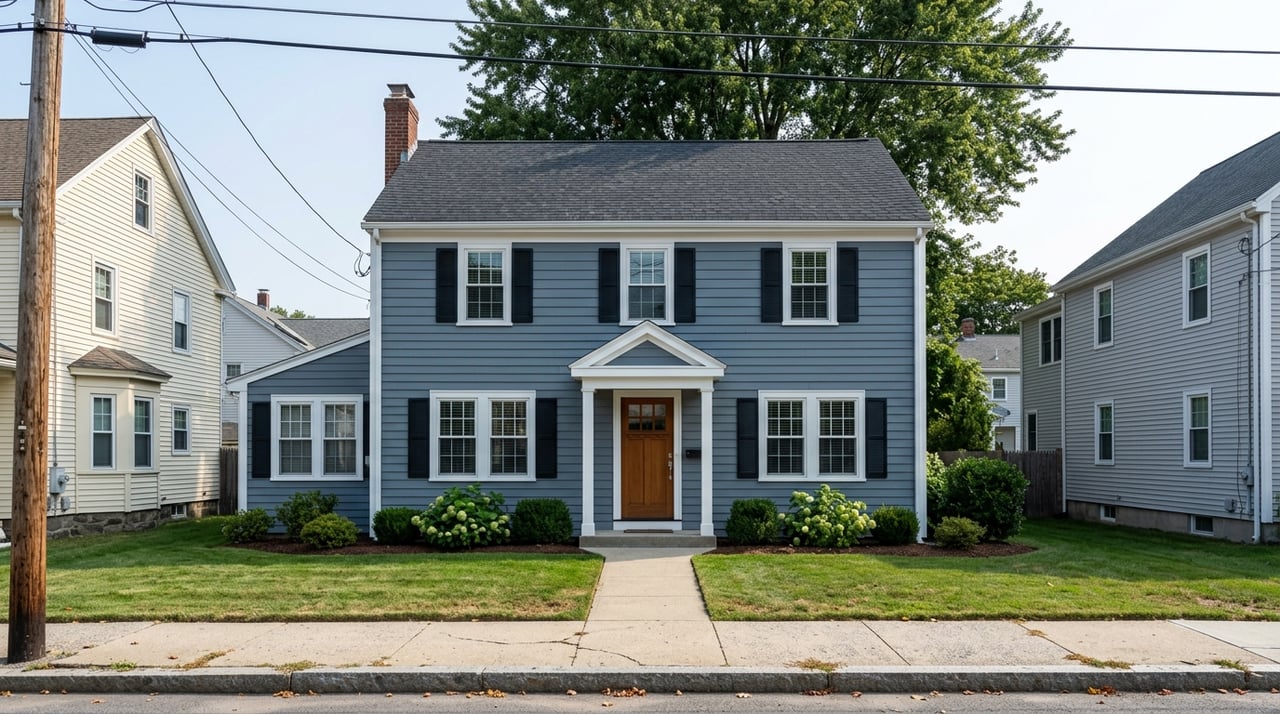
In Waltham, two-family and three-family homes are core property types to understand. The city assessor specifically notes tax-roll descriptions for single-family, two-family, and three-family houses, which is a useful local clue about what shows up often in the market.
You may also come across the classic New England triple-decker style. In Massachusetts, this type of small multifamily building has long been a familiar form of housing, especially for buyers who want multiple units under one roof with a straightforward layout.
For many first-time investors, these properties can feel approachable because they look more like residential homes than larger apartment buildings. But that familiarity can hide real complexity. Older systems, shared utilities, exterior maintenance, and code-related items all deserve close review before you make an offer.
What to inspect before you buy
A small multifamily purchase in Waltham should start with the assumption that condition matters as much as price. Roughly 37% of Waltham housing units were built before 1939, so older buildings are common. That often means aging plumbing, electrical updates over time, older porches and stairs, and a greater chance of deferred maintenance.
Waltham’s housing-services information gives you a helpful checklist of what local code enforcement focuses on. That includes kitchen and bath facilities, hot and potable water, heating, plumbing, electrical systems, smoke detectors, locks, exits, structural elements, asbestos, and insect or rodent control.
When you tour a property, pay close attention to the items that can change your costs quickly:
- Heating systems and age of equipment
- Electrical panels and visible wiring updates
- Plumbing condition and signs of leaks
- Roof, gutters, porches, and exterior stairs
- Smoke detectors and safe egress
- Windows, insulation, and draft issues
- Basement moisture or structural concerns
- Whether owner and tenant utilities are clearly separated
If a building has been owned for a long time, ask for any available repair records, rent history, and documentation of major upgrades. A clean paper trail can make underwriting easier and may help you avoid surprises after closing.
How to underwrite rents realistically
One of the biggest mistakes first-time buyers make is using optimistic rents to justify a deal. A better approach is to start with the actual rent roll, then compare that with conservative market-rent assumptions based on unit condition, layout, parking, and overall presentation.
Waltham’s median gross rent is $2,232, but that figure should not be treated as the expected rent for every unit. A well-kept apartment with parking and updated systems may perform differently from a dated unit with fewer features. Small differences in layout and condition can have a big effect on income.
Lenders also tend to look closely at unit-by-unit rent documentation for 2-4 unit properties. That matters even more if you plan to live in one unit and rent the others. In that setup, the property needs to work both as your home and as an income-producing asset.
Budget for the full cost of ownership
Cash flow is only meaningful if your expense assumptions are realistic. In Waltham, you should treat expenses as a central part of the deal, not an afterthought.
Core expenses to model include:
- Property taxes
- Insurance
- Maintenance and repairs
- Vacancy
- Turnover costs
- Utilities paid by the owner
- Capital reserves for larger future items
Property taxes deserve special attention. Waltham’s FY2026 residential tax rate is $10.32 per $1,000 of assessed value. That makes taxes a meaningful fixed cost, especially when you are comparing similar properties with different assessments or different levels of deferred maintenance.
A conservative long-term hold usually makes more sense than relying on perfect occupancy or rapid rent growth. Older housing stock, regular upkeep, and local compliance responsibilities can all affect returns. If the numbers only work under best-case assumptions, it may not be the right property.
Owner-occupant strategy in Waltham
For many buyers, the most realistic entry point is owner-occupying a 2-4 unit property. You live in one unit and rent the others, which can help offset your monthly housing cost while giving you direct experience managing a building.
This strategy can work well in Waltham because there is both rental demand and an established supply of small multifamily homes. It can also help you learn the business side of ownership on a smaller scale before you consider expanding.
That said, owner-occupying is not passive. You are not just buying a home. You are buying a property that needs to function well for you and for your tenants. Layout, privacy, noise, storage, parking, and utility setup all matter more when you live on site.
Compliance matters more than many buyers expect
In Massachusetts, small multifamily ownership is as much a maintenance and compliance business as it is a cash-flow play. That is especially true in an older housing market.
Rental housing must be safe, clean, and compliant with the State Sanitary Code. In Waltham, local housing services and code enforcement are also tied to health and safety issues, so compliance is not something to leave for later.
Security deposits are one of the most common problem areas for landlords. In Massachusetts, a security deposit must be kept in a separate, interest-bearing Massachusetts account. The tenant must also receive a signed statement of condition within 10 days of collection. Mishandling the deposit can create serious financial exposure.
Lead-related issues also deserve early review, especially for pre-1978 properties. Massachusetts requires disclosure of existing lead inspection or risk assessment documents, and the state Lead Law requires removal or control of lead paint hazards in homes where a child under 6 lives. If you are buying an older building, this should be part of your due diligence from the start.
What stronger long-term holds often share
Not every small multifamily property is a strong fit for a first-time buyer. In Waltham, the more durable long-term candidates often share a few practical traits.
Look for properties with:
- Efficient unit layouts
- Documented rents and clear lease terms
- Manageable systems and obvious maintenance history
- Sensible owner-paid utility exposure
- Enough reserve capacity for future repairs and capital items
These qualities may not be as exciting as a dramatic upside story, but they can make ownership more stable. For many buyers, the best first multifamily is the one with fewer moving parts and a clearer path to steady performance.
How to start your search smartly
If you are getting started in Waltham, begin with your goals. Are you looking for an owner-occupied property, a pure investment, or a building that gives you flexibility over time? Your answer will shape the size, layout, and financial profile that make sense for you.
Next, review each property through three lenses:
- Physical condition: What will need attention now versus later?
- Income quality: Are rents documented and realistic?
- Operational risk: Are compliance items, utilities, and building systems manageable?
That kind of disciplined review can help you avoid buying based on emotion alone. It also helps you compare opportunities more clearly in a market where no two older multifamily properties are exactly alike.
If you want practical guidance on evaluating small multifamily opportunities in Waltham, The Toland Team can help you assess local property types, weigh owner-occupant versus investor options, and move forward with a plan that fits your goals.
FAQs
What makes Waltham a practical place to start with small multifamily investing?
- Waltham has a substantial rental market, a median gross rent of $2,232, and a meaningful share of housing in 2-4 unit buildings, which supports both owner-occupants and long-term investors.
What property types should you expect when buying a small multifamily in Waltham?
- You will commonly see two-family and three-family homes, including the classic triple-decker style that is familiar across the Greater Boston area.
What should you inspect first in an older Waltham multifamily property?
- Focus on heating, plumbing, electrical systems, porches and stairs, roof condition, smoke detectors, exits, structural elements, moisture issues, and whether utilities are clearly separated.
How should you estimate rent on a Waltham multifamily property?
- Start with the actual rent roll and use conservative unit-by-unit assumptions, since rent can vary widely based on condition, layout, parking, and the overall building setup.
What expenses matter most when underwriting a Waltham multifamily purchase?
- Key expenses include property tax, insurance, maintenance, vacancy, turnover, owner-paid utilities, and capital reserves, with Waltham’s tax rate making taxes an especially important line item.
What should owner-occupants know before buying a 2-4 unit property in Waltham?
- You should view the purchase as both a home and a rental asset, which means layout, privacy, utility setup, and reliable rent documentation all matter.
What compliance issues should landlords watch in Waltham multifamily properties?
- Landlords should pay close attention to sanitary-code compliance, security-deposit handling, lead disclosures, and any lead hazard control requirements for older housing.
Why is conservative budgeting important for small multifamily investing in Waltham?
- Because many properties are older and local ownership costs can be meaningful, a deal is generally stronger when it works as a long-term hold without relying on ideal occupancy or fast rent growth.