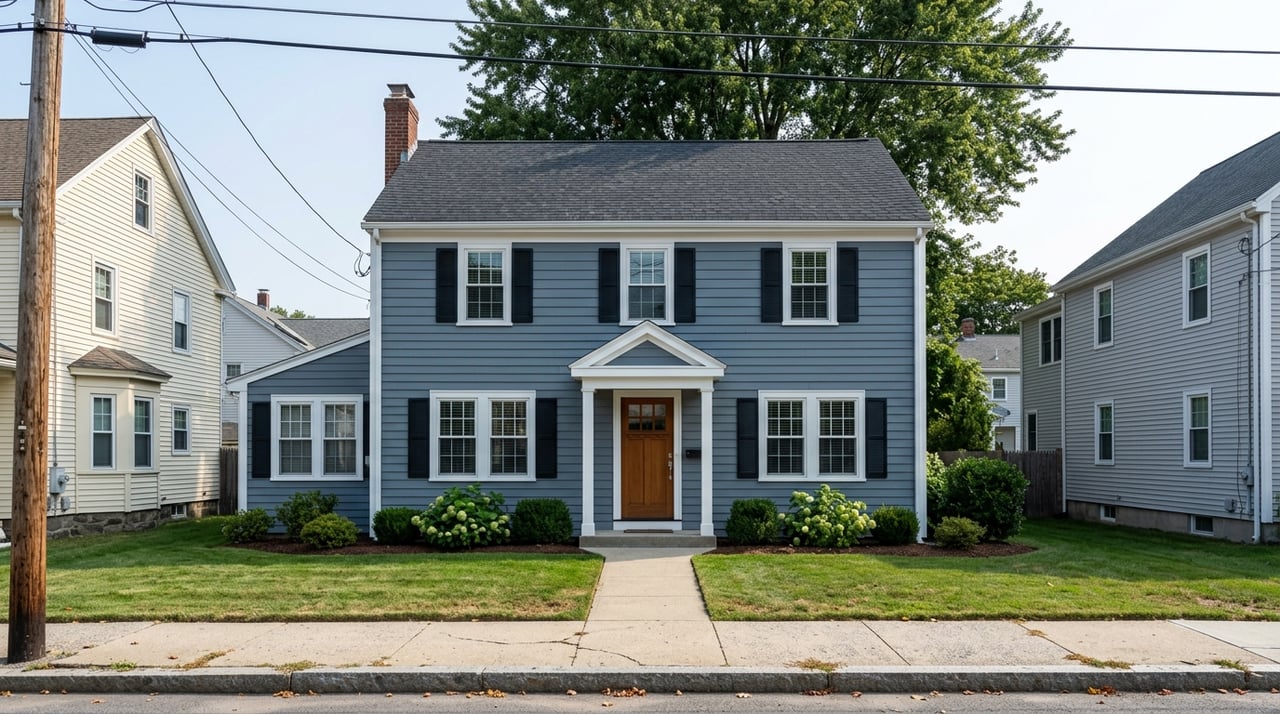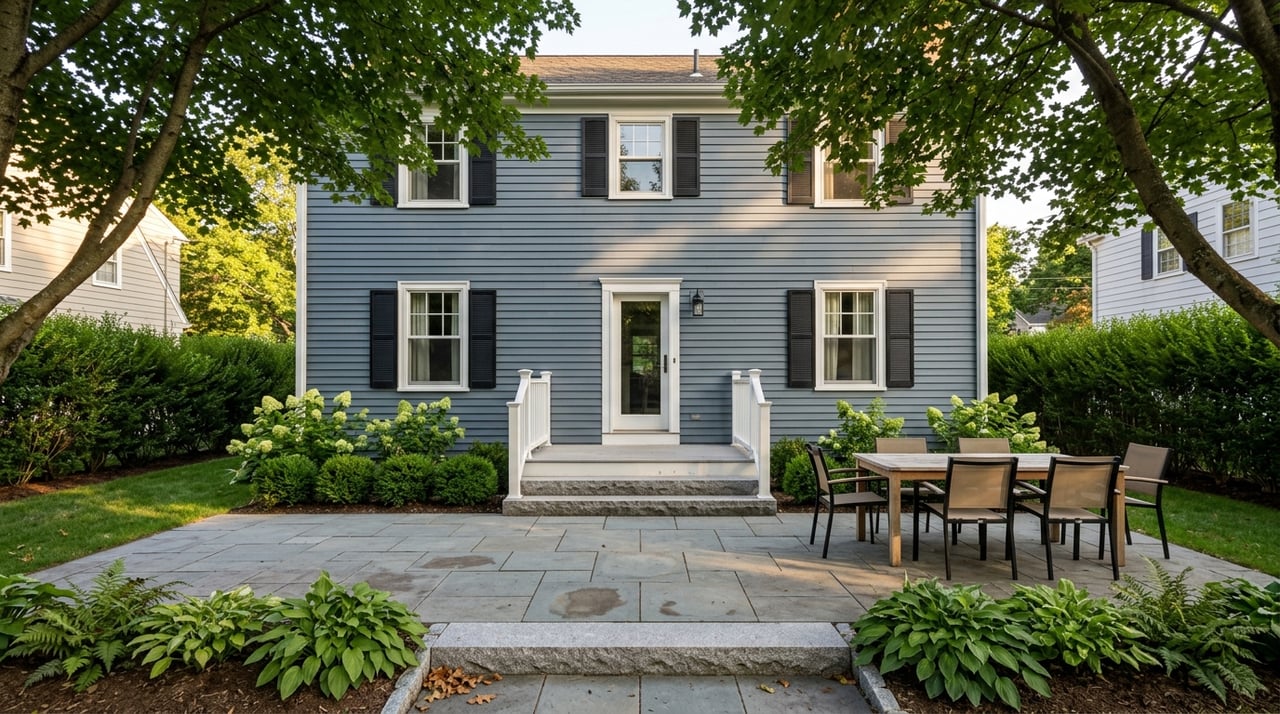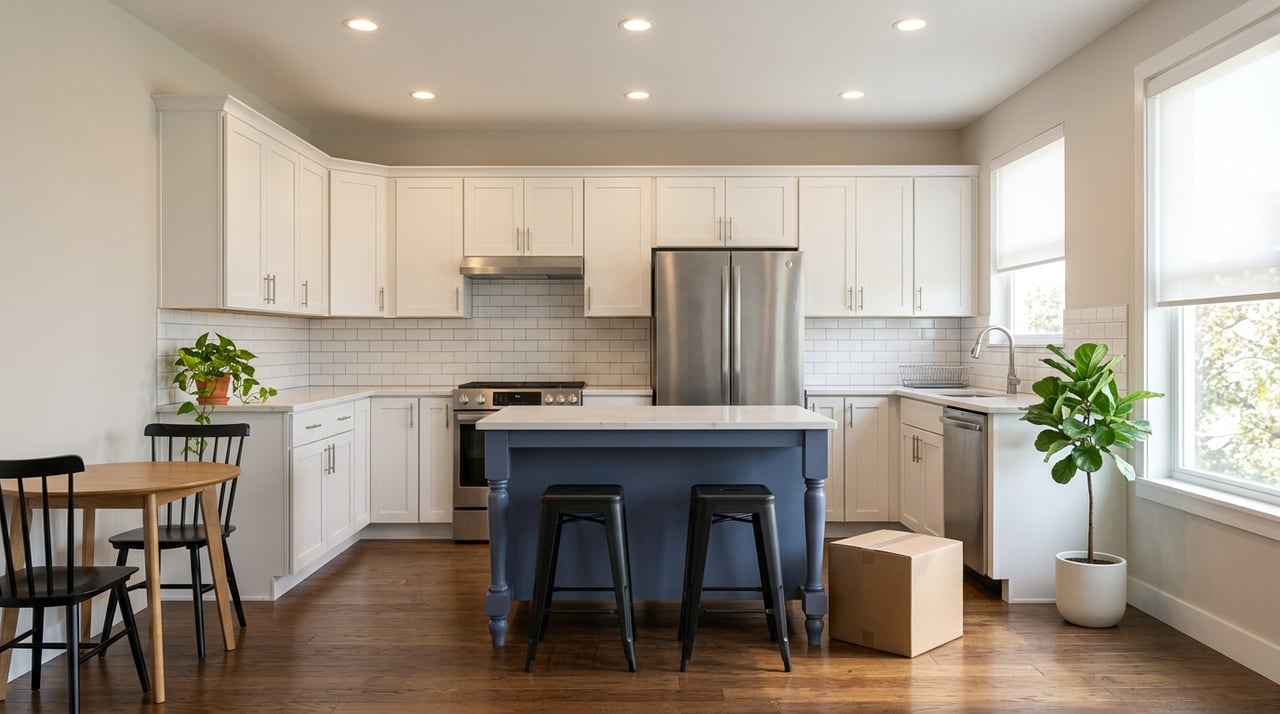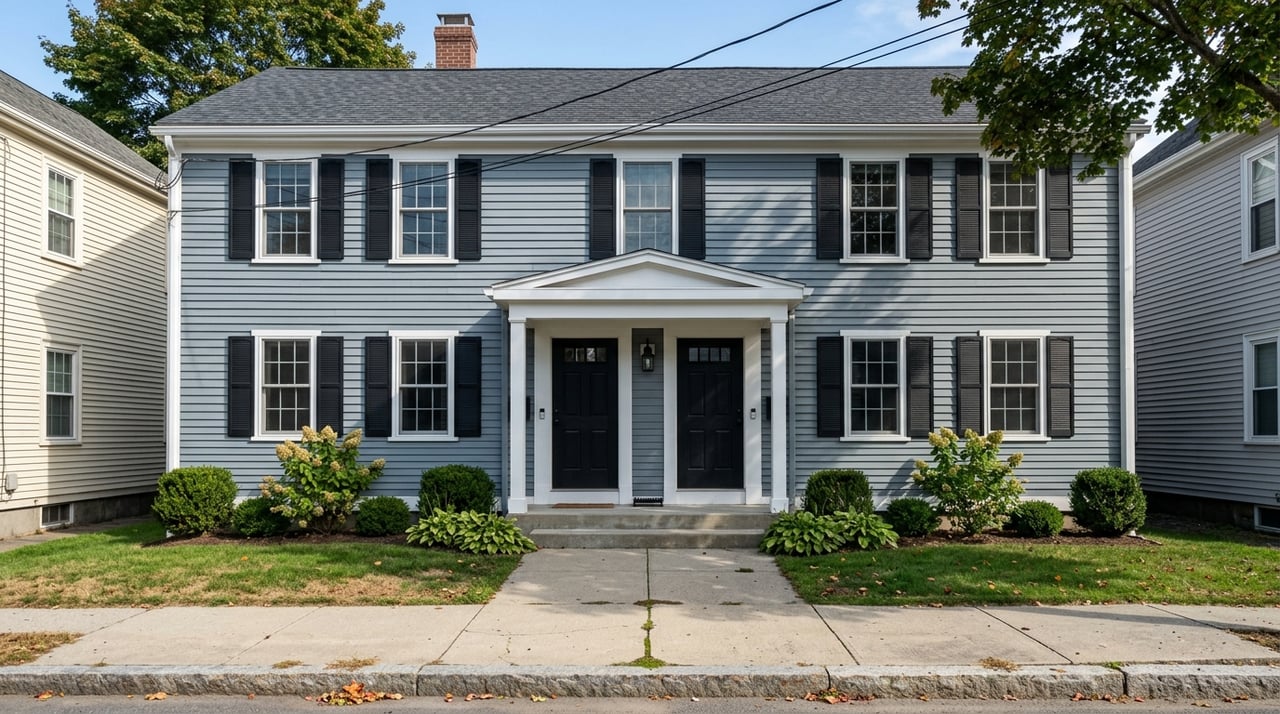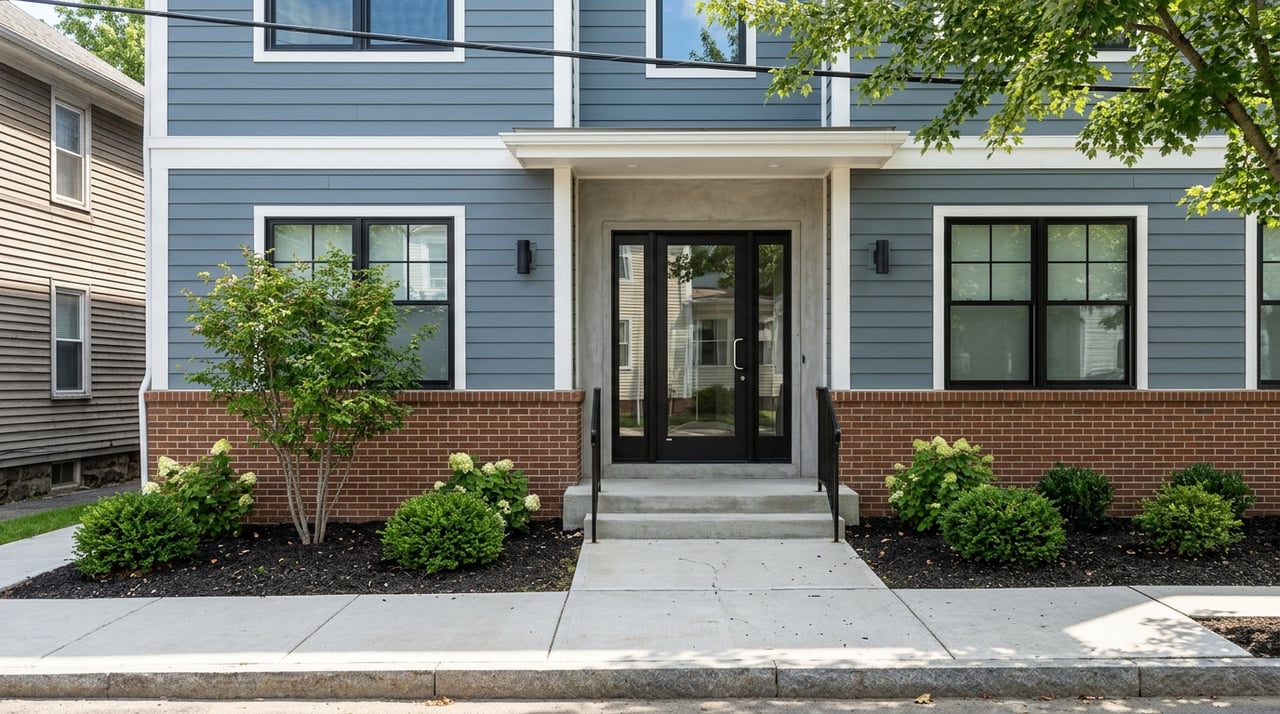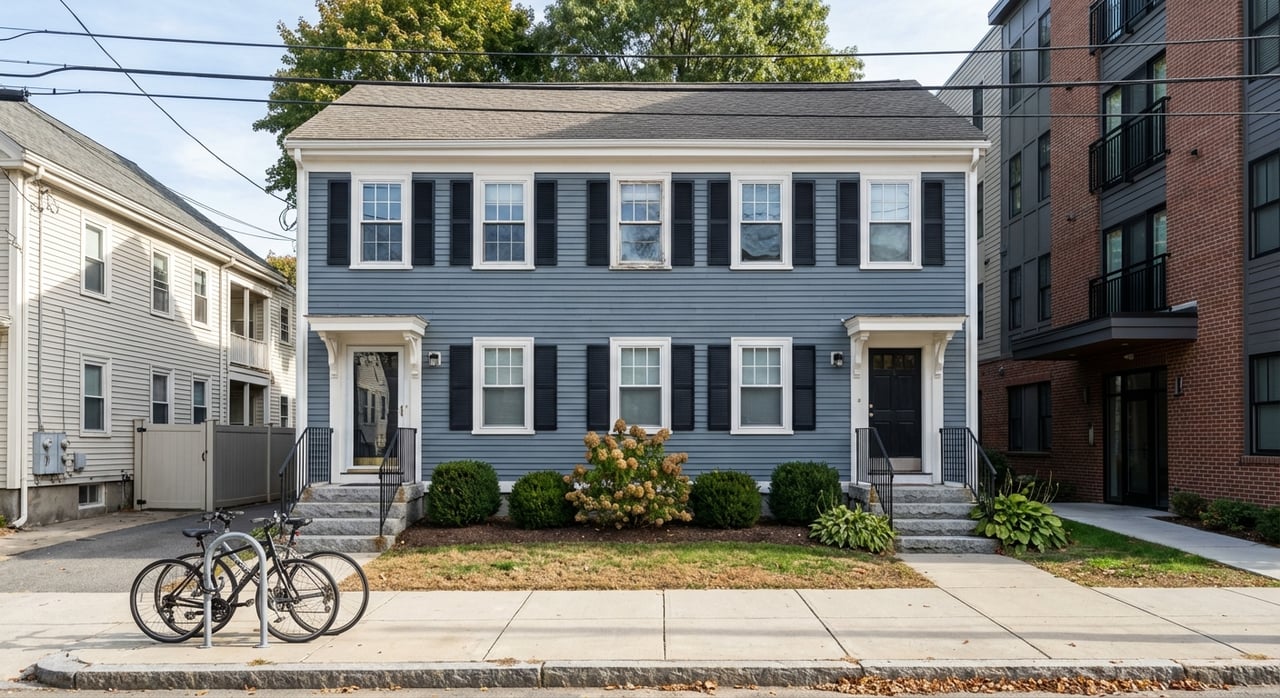
Picture your morning starting with a short walk for coffee, a quick hop on the Red Line, and errands you can finish on foot. That is everyday condo life in Cambridge. If you want a car-light lifestyle, vibrant neighborhoods, and a mix of historic charm and new amenities, you will find it here. In this guide, you will learn how condo living actually feels across Cambridge, what building types mean for your daily routine and budget, and the key questions to ask before you buy. Let’s dive in.
Daily life in Cambridge condos
Walkability and easy errands
Cambridge scores high for walkability, so you can plan your days around short trips to groceries, cafes, and restaurants. Many condos sit within a 5 to 15 minute walk of daily needs. Walk Score’s Cambridge profile shows the city often lands in the “Walker’s Paradise” range. If you value quick errands and less time in the car, this is a strong fit.
Biking culture and safe routes
You will see bikes everywhere. The city’s long-term plan and Cycling Safety Ordinance add separated lanes on key streets, which makes biking to work or class more practical. Explore the Cambridge Bicycle Network Vision to see how protected routes connect squares, campuses, and river paths. Many newer buildings include bike rooms, and older buildings often adapt storage to meet demand.
The T and commuter rail
Transit shapes condo life here. The Red Line at Alewife, Porter, Harvard, Central, and Kendall keeps commutes short and reliable. Porter also connects to the commuter rail, which widens your options for regional travel. You can get a feel for the network’s role across Cambridge in this overview of the city and its stations.
Neighborhood snapshots you can feel
Cambridge is a city of squares. Each one has a distinct daily rhythm that will influence what you value in a condo.
Harvard Square
You get an academic, lively setting with bookstores, galleries, and year-round events. Many condos are in historic brownstones and smaller conversions near Harvard Yard. Expect more character, smaller amenity packages, and rules tied to historic protections. For background on conservation and historic districts, start with the Cambridge Historical Commission.
Kendall Square and East Cambridge
Weekdays bring foot traffic from tech and biotech offices, with a modern restaurant scene and quieter nights on some blocks. Condos lean modern, with mid-rise buildings that offer concierge, gyms, and roof decks. If you want a newer building with services near major employers, explore the Kendall Square Association’s neighborhood profile.
Central Square
You will find an arts-forward, multicultural vibe with performance venues, public art, and an active evening scene. Condos range from renovated brick walkups to newer mixed-use buildings near Massachusetts Ave. It is a good match if you like eclectic options and a strong local identity.
Porter Square
Daily life feels a touch calmer, with neighborhood shopping and easy Red Line access. The commuter rail at Porter is a plus if you split time between Cambridge and other towns. Many condos sit in two to four unit buildings or small modern complexes, and you can review the rail connection details at Porter Station’s overview.
Inman Square
This is a neighborhood hangout with independent restaurants and shops. It is not a major tourist center, which keeps the focus on local spots and everyday convenience. If you prefer a low-key, local dining scene within a short walk, Inman often fits.
West Cambridge, Fresh Pond, and Cambridgeport
You get more green-space access and a residential feel. The Fresh Pond loop is a daily highlight for runners and dog-walkers, and larger parks are close by. If you want quick access to sizable parks, browse the city’s recreation and parks programs to get a sense of what is nearby.
Building types and the lifestyle they create
Historic conversions and brownstones
These buildings often have smaller-scale units with original woodwork and period details. Amenities are lighter, and exterior changes can be limited by conservation or historic district rules. If you love character and plan to use the neighborhood as your “amenity package,” this style will feel rewarding. For context on protections, see the Cambridge Historical Commission.
Triple-deckers and classic walkups
You will see many two to four unit conversions and stacked multi-family layouts. Monthly fees can be lower because there are fewer shared amenities, though storage and bike parking may be limited unless retrofitted. The tradeoff is a homey scale, often on quieter side streets.
Newer mid-rise and high-rise condos
In Kendall and parts of East Cambridge, you will find modern buildings with concierge service, gyms, package rooms, roof decks, and structured bike storage. Monthly condo fees are higher to cover staffing, insurance, maintenance, and reserves. This is ideal if you want an apartment-plus-services lifestyle near work. Learn more about the local context in Kendall Square’s overview.
Mixed-use buildings
Ground-floor retail with homes above gives you true convenience. You get cafes and markets downstairs, and a front-row seat to neighborhood life. Expect a bit more street noise and foot traffic at peak times.
Getting around and parking
Many Cambridge residents live car-light, and newer buildings reflect that shift. In October 2022, the City Council removed zoning parking minimums for new development. That means parking is treated as a market amenity rather than a given, especially in transit-rich areas. If a deeded or assigned space matters to you, confirm the details early and review how bike storage is handled. You can read about the policy change in this Harvard Crimson report on the vote.
What condo fees really cover
Monthly condo fees vary widely across Cambridge. In general, they pay for the building’s master insurance policy, common-area utilities and maintenance, management costs, and reserves. Newer buildings with concierge, gyms, and roof decks will push fees higher. Before you bid, ask for the budget, latest financials, any reserve study, and recent board meeting minutes so you can spot deferred maintenance or potential special assessments.
Buyer checklist for Cambridge condos
Use this list to focus your search and protect your budget.
- Review governing documents. Read the Master Deed, Bylaws, and rules. Massachusetts condominium law, M.G.L. c. 183A, explains owner and association duties.
- Confirm insurance responsibilities. Understand what the association’s master policy covers and what you must insure within the unit. State guidance on coverage types is here: overview of insurance in residential transactions.
- Assess financial health. Request the association budget, financial statements, any reserve study, and recent meeting minutes. Look for clear reserve funding and a plan for major systems.
- Understand short-term rental limits. Cambridge allows limited models and requires registration, and condo rules must also allow it. Review the city’s short-term rental registration rules and your association’s bylaws before you assume anything.
- Verify parking and storage. Do not assume parking is included. After the parking minimum change, many buildings handle spaces differently. The policy shift reported by the Harvard Crimson is useful context when you evaluate deeded spaces, assigned lots, and bike rooms.
- Match amenities to your lifestyle. Decide whether you value concierge and a gym, or you prefer lower fees and a smaller association. Build monthly fees into your total budget from the start.
Is Cambridge a fit for you
If you are a tech or biotech professional who wants a short commute and modern amenities, the Kendall and East Cambridge mid-rise scene will feel like home. If you love historic character, bookstore browsing, and cultural programming, a brownstone near Harvard Square might be your sweet spot. If you want more space with a calmer day-to-day rhythm, look at West Cambridge, Fresh Pond, or Cambridgeport for green space within minutes.
No matter your path, the best next step is to tour a few buildings and compare their day-to-day experience. Pay attention to how you move through the area, the feel of the lobby and common areas, and the real monthly costs once HOA fees and utilities are included. When you are ready to zero in on the right fit, reach out to The Toland Team for a local game plan, from shortlisting neighborhoods to reviewing HOA budgets and crafting a competitive offer.
FAQs
Is Cambridge walkable without a car
- Yes. Many condos are near daily errands, and the Red Line and bus routes make commutes efficient. The city also supports biking with growing protected lanes.
Can I use my Cambridge condo for Airbnb
- Only in limited cases. Cambridge requires registration and specific eligibility, and your condo association must allow it. Always confirm city rules and association bylaws first.
How much are condo fees in Cambridge
- Fees vary by building and amenities. They usually cover the master insurance policy, common-area utilities and maintenance, management, and reserves. Ask for the budget and any reserve study.
Do Cambridge condos include parking
- Do not assume parking is included. Cambridge removed parking minimums for new development, so always confirm whether a space is deeded, assigned, or available for rent.